

• 1/12/15 7:15 pm
- 1.1k views • 0 today
- Progress
- 100% complete
- 39
- 7
- 11

75
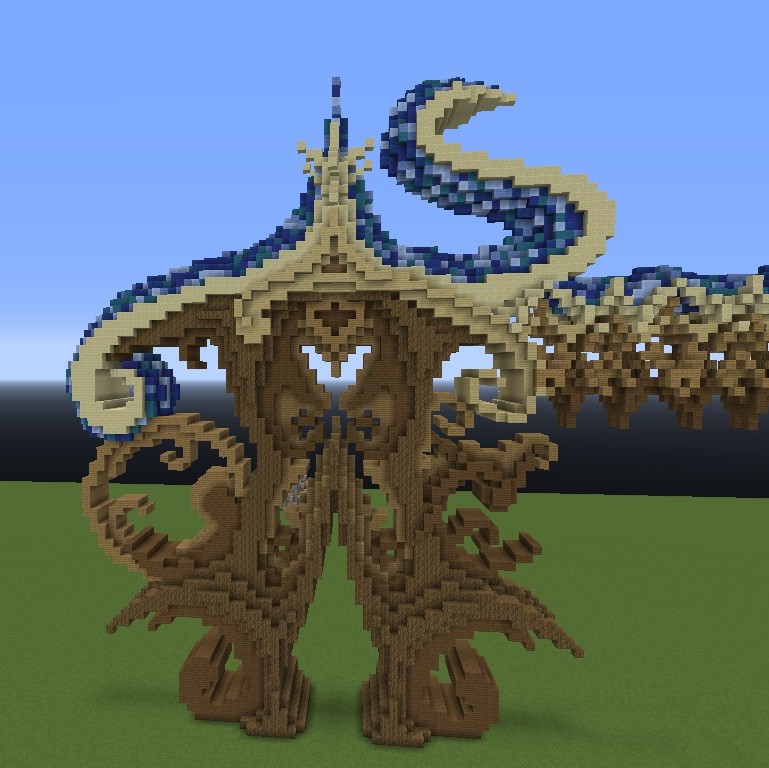
asymetry.... a skill... mastered only by the best... the art of bestowing upon a build perfect levels of symetry.... here are my attempts.......
these are some of the only asymmetrical builds i've ever made and been somewhat happy with, i've found that the best way to make them is to draw them out on paper first. :3
hope you like em if so diamond comment and sub :P
i'll be adding more over time so stay tuned
these are some of the only asymmetrical builds i've ever made and been somewhat happy with, i've found that the best way to make them is to draw them out on paper first. :3
hope you like em if so diamond comment and sub :P
i'll be adding more over time so stay tuned
More like this

 Hodad999


3205456
2



 kapitananton775



 illi11

 MazaVili
 GuardianYT



Have something to say?
because the depth is super well done!
I assume human tends to first spot object, within an instant recognize size/scale, width, length, height, Look for it's centerpoint, during the search for the centerpoint and scale analysis, takes information of the details of the object, that being said, pattern differenciation, point of interest, highlight point, and then the centerpoint. What may make builds visually take information quickly and easily will generally be somewhat easy to look at. Let me get to the point now that I have this base thought process that may or may not be what is happening to people's mind when they look at a building.
Visual weight distribution in my case basically means which area has the "most going on" , So say you have a complexity scale of 1~5. Average ratio being 2.5:2.5. or "symmetrical balance" with both sides having equal visual weight on what you have to process in the brain.
Symmetrical buildings are what I in my opinion is the most safest route of building things as they are generally easy to process in the brain. Center point is also where they may add point of interest or highlight points as architects will generally use it to put emphasis on an area most generally the door.
Asmmetrical buildings on the other hand indeed require some thought process, however it's actually rather
simple. If you understand the "visual weight" kind of concept I was talking about, I'll try to explain it sort of.
So let's say we have a Building, each side has a tower, but one of them is square, the other Cylindrical. That is asymmetrical, but they can be in balance if both of them are in a very similiar height and width, Your eyes will take the information into your brain and your brain will notice two differences.
Now say one of them are taller than the other, Your brain will then believe that taller bit is more visually heavier than the lower one because it will think that it's over powering the other one. If I were to essentially explain using ratio it'd be something like say. 2.5:4, if that makes sense, The 2.5 being average, 4 being high. Where your eyes would actually look more at because it sticks out.
In analysis, Asymmetry can be used to add point of interest with emphasis , but if you wish to maintain balance using asymmetry but wanting the similiar effect of visual pleasure as symmetrical buildings, Maintain same or similiar visual weight. Don't randomize too much.
Asymmetry should not really neglect vertical and horizontal sort of a "ruler". if from the center, one side is higher than the other side, will create an actually more of oblonged effect, often times resulting a slightly odd feeling about the structure. That's my take on symmetry and asymmetry.