


• 8/7/12 11:26 am
- 3.5k views • 0 today
- save_alt 232 downloads
- Progress
- 100% complete

19
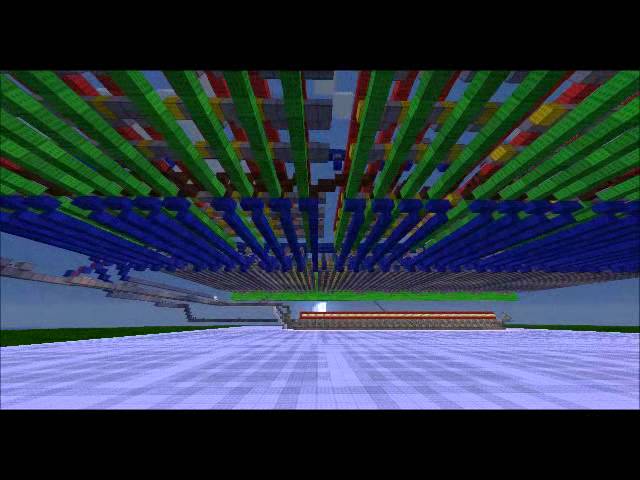
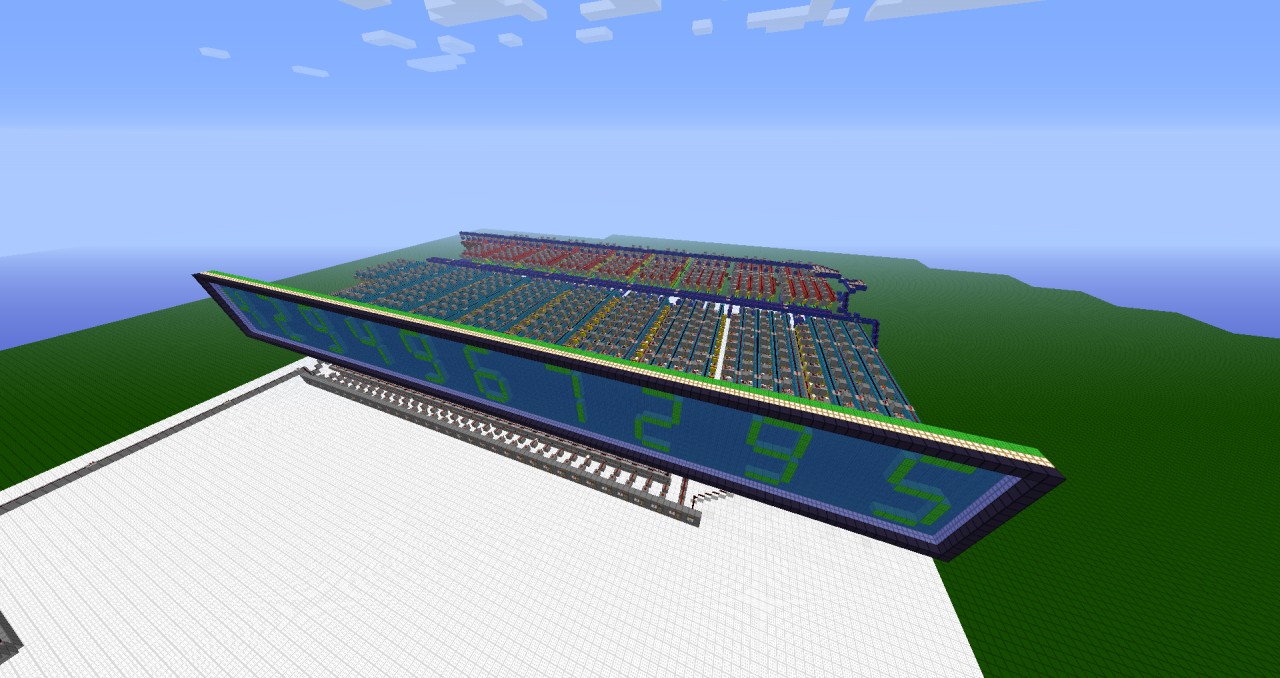
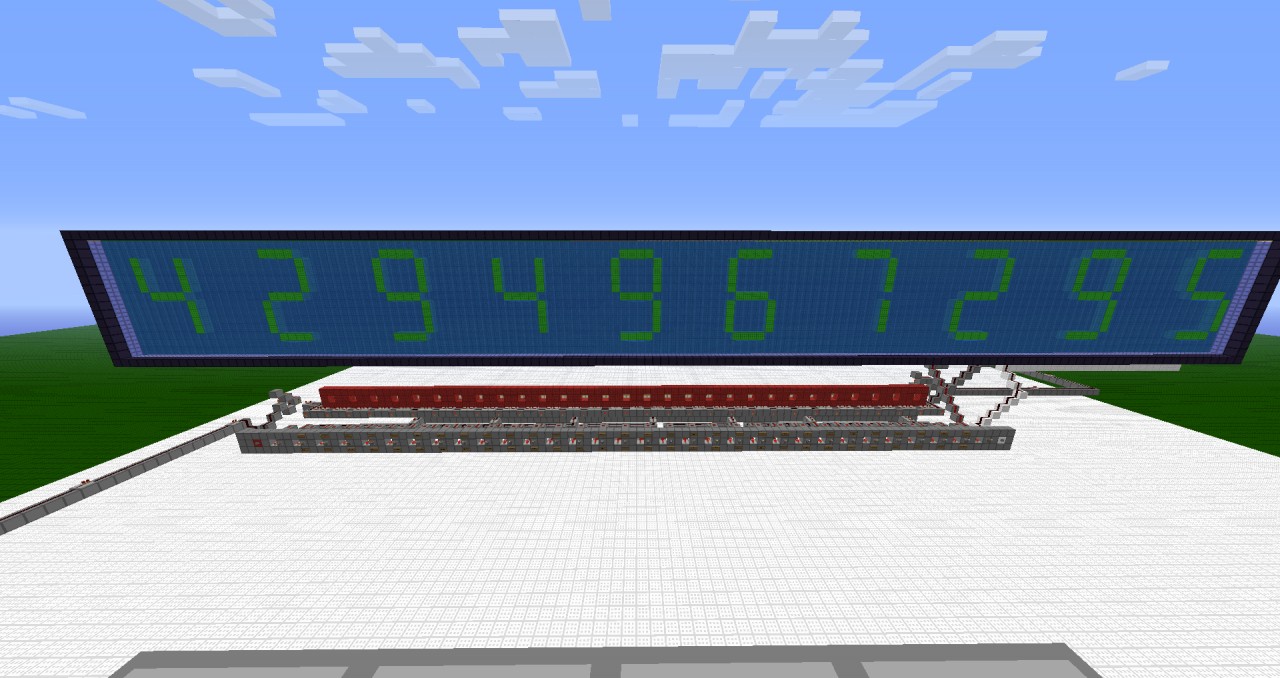
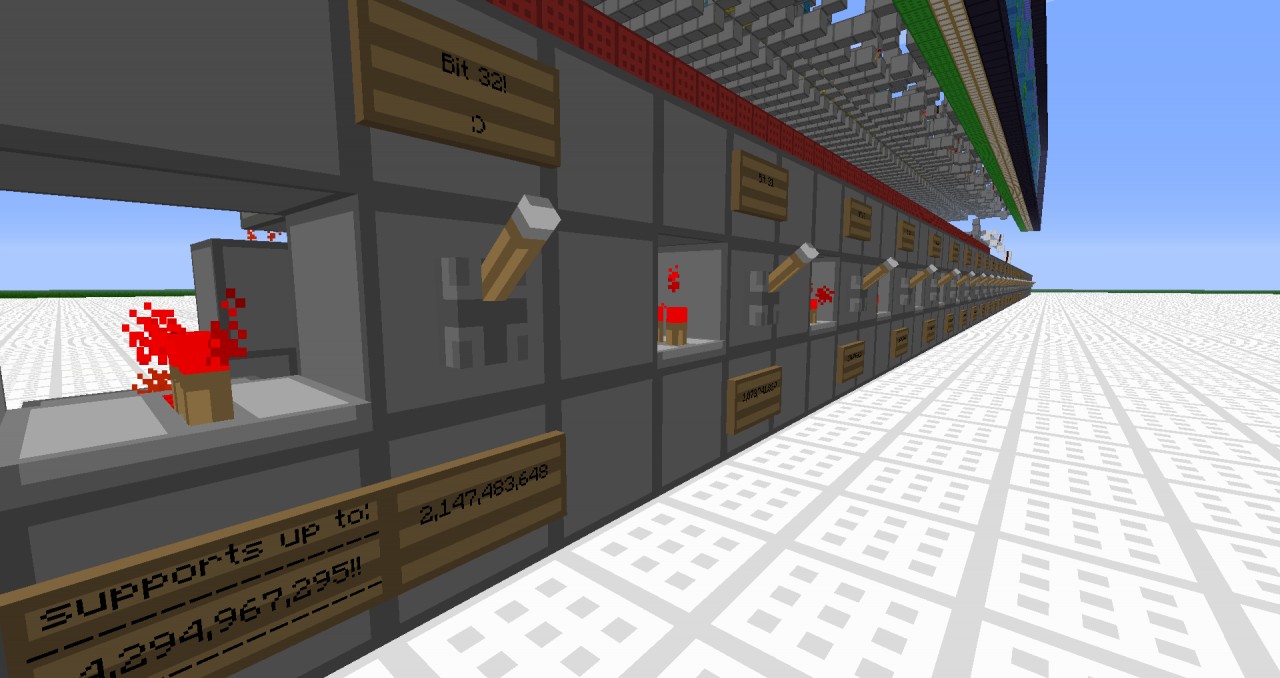
This is the first ever* full 32 bit binary to seven segment display, that displays numbers up to 4,294,967,295 that is ten digits.it uses the +3 algorithm/double dabble, which involves adding three to any bcd unit that is greater than 4, then shifting. it takes a serial input, with 8 tics per shift, however it comes with a parallel binary input bay, with repeaters as binary display units. It even comes with a fully functional progress bar, that is based off of the progress on serializing the input and the amount of performed shifts. the device is VERY compact compared to a non shifting display. a non shifting dsplay would be 30 times the size, and create more lag.
upon download: unzip the file using winrar, archiver utility, 7zip, etc. then put that file into your worlds folder located in the .minecraft folder:
%appdata%/roaming/application support/.minecraft/saves
the decoder has the 4,294,967,295 (all 1s) programed into it, and all you have to do is press the go button to begin. you can change the levers on the input bay to change the number (obviously) before decoding. REMEMBER TO RESET THE DEVICE WITH THE BUTTON ON THE RIGHT SIDE!!!
SET RENDER DISTANCE TO EITHER MEDIUM OR FAR! (the machine does cause a considerable amount of lag, even with the addition 4 tics per shift added to reduce lag on mid-powered systems
ENJOY!!!!!!!
*correct me if im wrong
upon download: unzip the file using winrar, archiver utility, 7zip, etc. then put that file into your worlds folder located in the .minecraft folder:
%appdata%/roaming/application support/.minecraft/saves
the decoder has the 4,294,967,295 (all 1s) programed into it, and all you have to do is press the go button to begin. you can change the levers on the input bay to change the number (obviously) before decoding. REMEMBER TO RESET THE DEVICE WITH THE BUTTON ON THE RIGHT SIDE!!!
SET RENDER DISTANCE TO EITHER MEDIUM OR FAR! (the machine does cause a considerable amount of lag, even with the addition 4 tics per shift added to reduce lag on mid-powered systems
ENJOY!!!!!!!
*correct me if im wrong
1257803
2


 Glitched_Cat_Kira4


 AmplleFawn7332
 KorinMC

 Walle7001

 FALECORE
 narComJojack
 high_marshmallow
Have something to say?
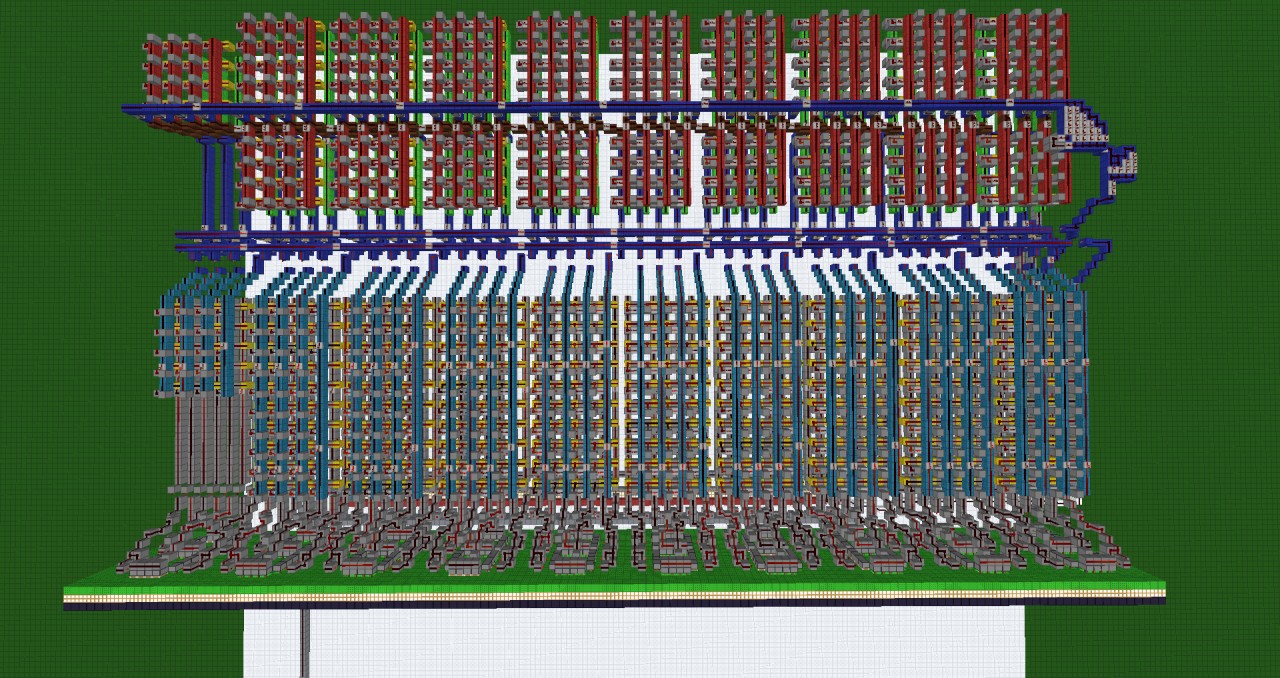
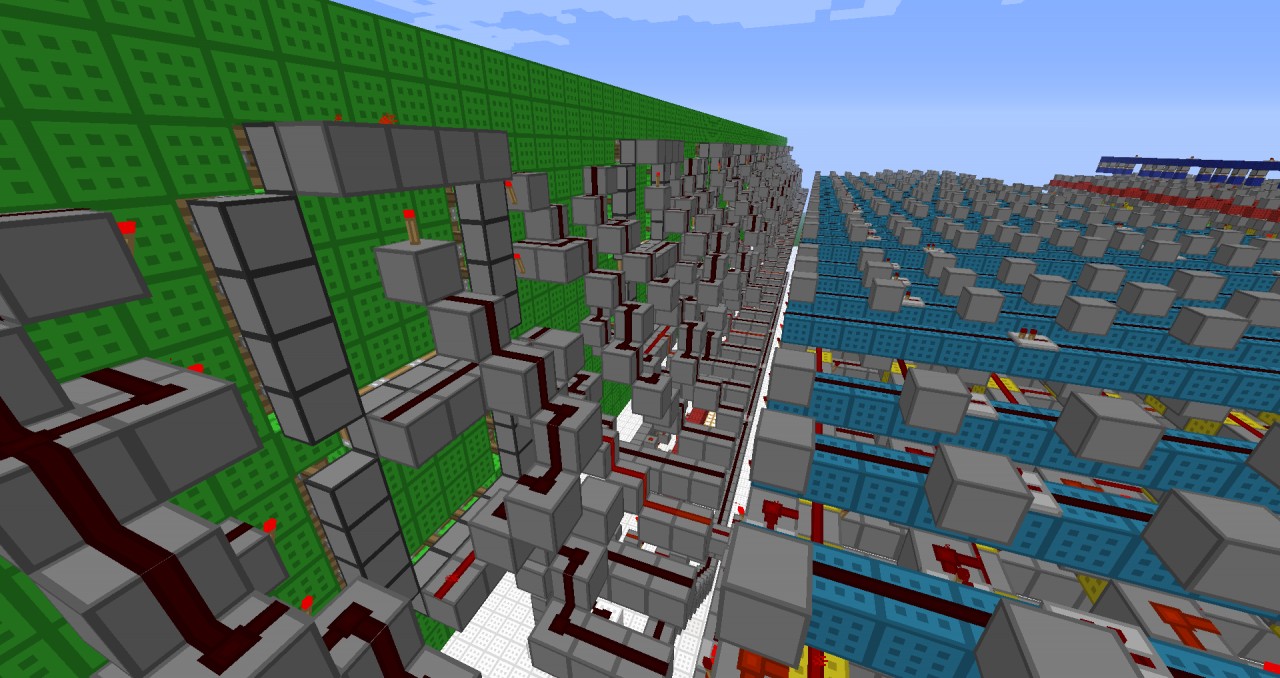
1) the parallel to series converter. This is the thing on the bottom. creates a series input at 4 tics/bit.
2)the series binary to parallel BCD converter. uses the plus three algorithm to convert to binary coded decimal (look that up if you dont know what it is.) This part is the synchronous part and takes up the most time to run. It takes each bit, runs it through the algorithm, shifts another one in, and repeats until each one is done. The blue on the top determines when to stop looping this process and save the values.
3) The BCD to 7 segment decoders: this takes the BCD inputs and converts them to a number, then converts that into an input for the 7 segment display. These are the light blue things in the front.
Part 2 is the important part, and that is the part I designed. everything else is very simple stuff, despite the large size of the BCD to 7 segment decoders.
Challenge: Make one that can go up to 12-14 digits.
+1 diamond