





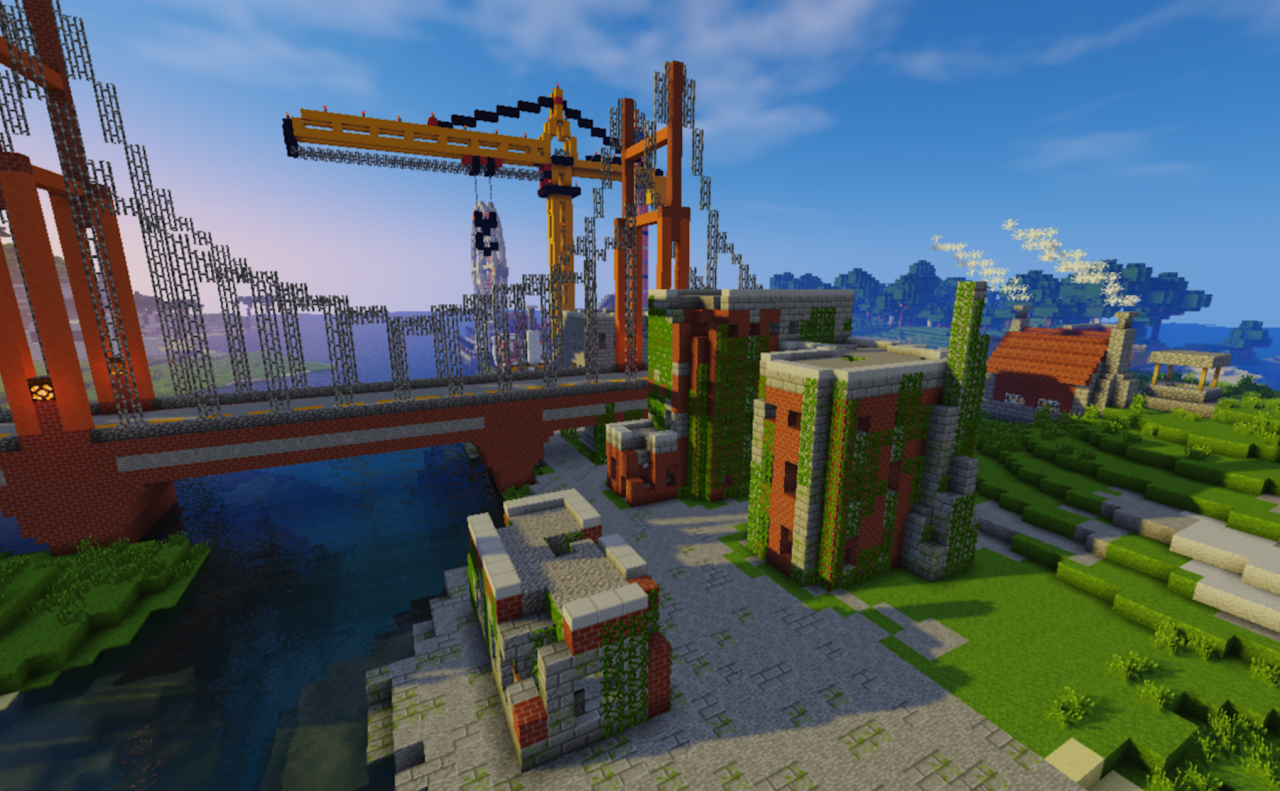




- 8
- 5
- 9
- Seed

6
1.14.2 map in progress
A furnace is a mechanical system designed to generate heat and distribute that heat throughout a building. In most residential buildings in the United States, the furnace is part of a forced-air heating system. This system uses a fuel source to create heat, transfers that heat to air, and then moves the heated air through ductwork to different rooms. The same ductwork is often shared with an air conditioning system.
A furnace does not create heat for individual rooms directly. Instead, it heats air in a central location and relies on airflow to distribute the heat evenly. The operation of a furnace can be broken down into several main components and stages: the thermostat, the control system, the burner or heating element, the heat exchanger, the blower motor, the air filter, the duct system, and the exhaust system.
The furnace cycle begins with the thermostat. A thermostat is a temperature-sensing device mounted inside the building, typically on an interior wall. It continuously measures the ambient air temperature and compares it to the temperature set by the user.
When the indoor temperature drops below the set point, the thermostat closes an electrical circuit. This action sends a signal, commonly referred to as a “call for heat,” to the furnace’s control board. The thermostat itself does not produce heat or control airflow; it only acts as a trigger that tells the furnace when to operate.
Modern thermostats may be digital, programmable, or smart, but their basic function remains the same. They either complete or break a low-voltage circuit, usually operating at 24 volts, which tells the furnace whether to run or remain idle.
Once the furnace receives a call for heat, the control board initiates a startup sequence. The control board is an electronic circuit board that coordinates all furnace operations. It ensures that components activate in the correct order and that safety conditions are met before fuel ignition occurs.
Before heating begins, the furnace performs a series of safety checks. These checks may include verifying that limit switches are closed, confirming that pressure switches detect proper airflow in the exhaust system, and ensuring that no fault conditions are present. If a safety condition fails, the furnace will not proceed and may shut down entirely or display an error code.
This stage exists to prevent dangerous operating conditions, such as overheating, gas buildup, or exhaust blockage. The furnace will only continue if all monitored conditions are within acceptable ranges.
Most residential furnaces use natural gas, propane, or electricity as their energy source. Gas furnaces are the most common, so they will be the primary focus here.
In a gas furnace, once safety checks are complete, the control board opens a gas valve. This allows gas to flow into the burner assembly. The burner is designed to mix gas with air in a controlled ratio to allow for stable combustion.
At the same time, the ignition system activates. Older furnaces used a standing pilot light, which burned continuously. Modern furnaces use electronic ignition systems such as hot surface igniters or intermittent spark igniters. A hot surface igniter heats up until it is hot enough to ignite the gas, while a spark igniter produces an electrical spark to ignite the fuel.
When the gas ignites successfully, a flame sensor confirms the presence of flame. If no flame is detected, the gas supply is shut off immediately to prevent unburned gas from accumulating.
Once ignition is confirmed, the burners continue to operate steadily. The flame produced by the burners does not directly heat the air that circulates through the house. Instead, the flame heats a component called the heat exchanger.
The heat exchanger is a sealed metal chamber or series of chambers. It separates the combustion gases from the indoor air supply. This separation is critical because combustion gases contain carbon monoxide and other byproducts that must not enter the living space.
As the burners fire, the heat exchanger becomes hot. The design of the heat exchanger allows heat to transfer efficiently through its metal walls while keeping combustion gases contained inside.
The heat exchanger is one of the most important components of a furnace. Its primary job is to transfer thermal energy from the combustion process to the air that will be distributed throughout the building.
Cold air from the return ducts flows across the outside surface of the heat exchanger. As the metal walls of the heat exchanger heat up, energy is transferred to the air through conduction and convection. The air temperature increases as it passes over the exchanger.
A properly functioning heat exchanger must remain sealed. Cracks or corrosion can allow combustion gases to leak into the airflow, which is a serious safety hazard. For this reason, heat exchangers are inspected during furnace maintenance and are a common factor in determining furnace replacement.
After the heat exchanger reaches a certain temperature, the blower motor turns on. The blower is a fan assembly that moves air through the furnace and duct system.
The blower pulls cooler air from the building through return air ducts. This air passes through the air filter, which removes dust and debris, and then flows across the heat exchanger. As the air absorbs heat, it becomes warm and is pushed into the supply ducts.
The blower motor may operate at a single speed or multiple speeds, depending on the furnace design. Variable-speed blowers adjust airflow more precisely, improving comfort and efficiency.
The timing of the blower is controlled to prevent blowing cold air at the start of a heating cycle and to extract remaining heat after the burners shut off.
The air filter is located in the return air path before the blower. Its purpose is to capture airborne particles such as dust, pet hair, and lint before they enter the furnace.
A clean air filter protects the blower motor and heat exchanger from buildup and ensures adequate airflow. A clogged filter restricts airflow, which can cause the furnace to overheat or shut down due to safety limits.
Filters vary in material, size, and efficiency rating. Regular replacement or cleaning of the filter is required for proper furnace operation.
The duct system is a network of metal or flexible passages that distribute air throughout the building. Supply ducts carry heated air from the furnace to individual rooms, while return ducts carry cooler air back to the furnace.
Registers or vents at the ends of supply ducts allow warm air to enter rooms. Dampers may be used to control airflow to different areas.
The effectiveness of a furnace depends heavily on duct design. Leaks, poor insulation, or improper sizing can reduce efficiency and cause uneven heating.
As the furnace burns fuel, it produces exhaust gases. These gases must be safely removed from the building. The exhaust system accomplishes this by venting gases outdoors through a flue or vent pipe.
High-efficiency furnaces often use a forced-draft system with an inducer motor. This motor pulls exhaust gases through the heat exchanger and pushes them out of the vent. Lower-efficiency furnaces rely more on natural draft.
Exhaust gases may be vented through metal pipes or plastic PVC piping, depending on furnace efficiency and temperature.
When the thermostat senses that the desired temperature has been reached, it opens the circuit and ends the call for heat. The control board closes the gas valve, stopping combustion.
The blower motor continues running for a short period to move remaining warm air from the heat exchanger into the ducts. After this purge cycle, the blower shuts off and the furnace returns to standby mode.
The system remains idle until the thermostat calls for heat again.
Furnace efficiency is commonly measured by Annual Fuel Utilization Efficiency (AFUE). This value represents the percentage of fuel energy converted into usable heat.
Older furnaces may have AFUE ratings around 70–80%, while modern high-efficiency furnaces can exceed 90%. Higher efficiency is achieved through improved heat exchanger design and reduced heat loss through exhaust.
Maintenance, proper installation, and duct condition all affect real-world performance.
Residential Forced-Air Furnace
A furnace is a mechanical system designed to generate heat and distribute that heat throughout a building. In most residential buildings in the United States, the furnace is part of a forced-air heating system. This system uses a fuel source to create heat, transfers that heat to air, and then moves the heated air through ductwork to different rooms. The same ductwork is often shared with an air conditioning system.
A furnace does not create heat for individual rooms directly. Instead, it heats air in a central location and relies on airflow to distribute the heat evenly. The operation of a furnace can be broken down into several main components and stages: the thermostat, the control system, the burner or heating element, the heat exchanger, the blower motor, the air filter, the duct system, and the exhaust system.
Thermostat and Call for Heat
The furnace cycle begins with the thermostat. A thermostat is a temperature-sensing device mounted inside the building, typically on an interior wall. It continuously measures the ambient air temperature and compares it to the temperature set by the user.
When the indoor temperature drops below the set point, the thermostat closes an electrical circuit. This action sends a signal, commonly referred to as a “call for heat,” to the furnace’s control board. The thermostat itself does not produce heat or control airflow; it only acts as a trigger that tells the furnace when to operate.
Modern thermostats may be digital, programmable, or smart, but their basic function remains the same. They either complete or break a low-voltage circuit, usually operating at 24 volts, which tells the furnace whether to run or remain idle.
Control Board and Safety Checks
Once the furnace receives a call for heat, the control board initiates a startup sequence. The control board is an electronic circuit board that coordinates all furnace operations. It ensures that components activate in the correct order and that safety conditions are met before fuel ignition occurs.
Before heating begins, the furnace performs a series of safety checks. These checks may include verifying that limit switches are closed, confirming that pressure switches detect proper airflow in the exhaust system, and ensuring that no fault conditions are present. If a safety condition fails, the furnace will not proceed and may shut down entirely or display an error code.
This stage exists to prevent dangerous operating conditions, such as overheating, gas buildup, or exhaust blockage. The furnace will only continue if all monitored conditions are within acceptable ranges.
Fuel Supply and Ignition System
Most residential furnaces use natural gas, propane, or electricity as their energy source. Gas furnaces are the most common, so they will be the primary focus here.
In a gas furnace, once safety checks are complete, the control board opens a gas valve. This allows gas to flow into the burner assembly. The burner is designed to mix gas with air in a controlled ratio to allow for stable combustion.
At the same time, the ignition system activates. Older furnaces used a standing pilot light, which burned continuously. Modern furnaces use electronic ignition systems such as hot surface igniters or intermittent spark igniters. A hot surface igniter heats up until it is hot enough to ignite the gas, while a spark igniter produces an electrical spark to ignite the fuel.
When the gas ignites successfully, a flame sensor confirms the presence of flame. If no flame is detected, the gas supply is shut off immediately to prevent unburned gas from accumulating.
Burner Operation and Heat Production
Once ignition is confirmed, the burners continue to operate steadily. The flame produced by the burners does not directly heat the air that circulates through the house. Instead, the flame heats a component called the heat exchanger.
The heat exchanger is a sealed metal chamber or series of chambers. It separates the combustion gases from the indoor air supply. This separation is critical because combustion gases contain carbon monoxide and other byproducts that must not enter the living space.
As the burners fire, the heat exchanger becomes hot. The design of the heat exchanger allows heat to transfer efficiently through its metal walls while keeping combustion gases contained inside.
Heat Exchanger Function
The heat exchanger is one of the most important components of a furnace. Its primary job is to transfer thermal energy from the combustion process to the air that will be distributed throughout the building.
Cold air from the return ducts flows across the outside surface of the heat exchanger. As the metal walls of the heat exchanger heat up, energy is transferred to the air through conduction and convection. The air temperature increases as it passes over the exchanger.
A properly functioning heat exchanger must remain sealed. Cracks or corrosion can allow combustion gases to leak into the airflow, which is a serious safety hazard. For this reason, heat exchangers are inspected during furnace maintenance and are a common factor in determining furnace replacement.
Blower Motor and Air Movement
After the heat exchanger reaches a certain temperature, the blower motor turns on. The blower is a fan assembly that moves air through the furnace and duct system.
The blower pulls cooler air from the building through return air ducts. This air passes through the air filter, which removes dust and debris, and then flows across the heat exchanger. As the air absorbs heat, it becomes warm and is pushed into the supply ducts.
The blower motor may operate at a single speed or multiple speeds, depending on the furnace design. Variable-speed blowers adjust airflow more precisely, improving comfort and efficiency.
The timing of the blower is controlled to prevent blowing cold air at the start of a heating cycle and to extract remaining heat after the burners shut off.
Air Filter Role
The air filter is located in the return air path before the blower. Its purpose is to capture airborne particles such as dust, pet hair, and lint before they enter the furnace.
A clean air filter protects the blower motor and heat exchanger from buildup and ensures adequate airflow. A clogged filter restricts airflow, which can cause the furnace to overheat or shut down due to safety limits.
Filters vary in material, size, and efficiency rating. Regular replacement or cleaning of the filter is required for proper furnace operation.
Ductwork and Heat Distribution
The duct system is a network of metal or flexible passages that distribute air throughout the building. Supply ducts carry heated air from the furnace to individual rooms, while return ducts carry cooler air back to the furnace.
Registers or vents at the ends of supply ducts allow warm air to enter rooms. Dampers may be used to control airflow to different areas.
The effectiveness of a furnace depends heavily on duct design. Leaks, poor insulation, or improper sizing can reduce efficiency and cause uneven heating.
Exhaust and Venting System
As the furnace burns fuel, it produces exhaust gases. These gases must be safely removed from the building. The exhaust system accomplishes this by venting gases outdoors through a flue or vent pipe.
High-efficiency furnaces often use a forced-draft system with an inducer motor. This motor pulls exhaust gases through the heat exchanger and pushes them out of the vent. Lower-efficiency furnaces rely more on natural draft.
Exhaust gases may be vented through metal pipes or plastic PVC piping, depending on furnace efficiency and temperature.
Furnace Shutdown Cycle
When the thermostat senses that the desired temperature has been reached, it opens the circuit and ends the call for heat. The control board closes the gas valve, stopping combustion.
The blower motor continues running for a short period to move remaining warm air from the heat exchanger into the ducts. After this purge cycle, the blower shuts off and the furnace returns to standby mode.
The system remains idle until the thermostat calls for heat again.
Efficiency and Performance Considerations
Furnace efficiency is commonly measured by Annual Fuel Utilization Efficiency (AFUE). This value represents the percentage of fuel energy converted into usable heat.
Older furnaces may have AFUE ratings around 70–80%, while modern high-efficiency furnaces can exceed 90%. Higher efficiency is achieved through improved heat exchanger design and reduced heat loss through exhaust.
Maintenance, proper installation, and duct condition all affect real-world performance.
2 Update Logs
Update 2.0! : by SQUAD 02/26/2017 1:38:36 amFebruary 26, 2017 @ 6:38 am UTC
Added:
-Western School District
-Western Chapel
-Western SQUAD Capitol
-Western SQUAD Colony
-SQUAD Asylum

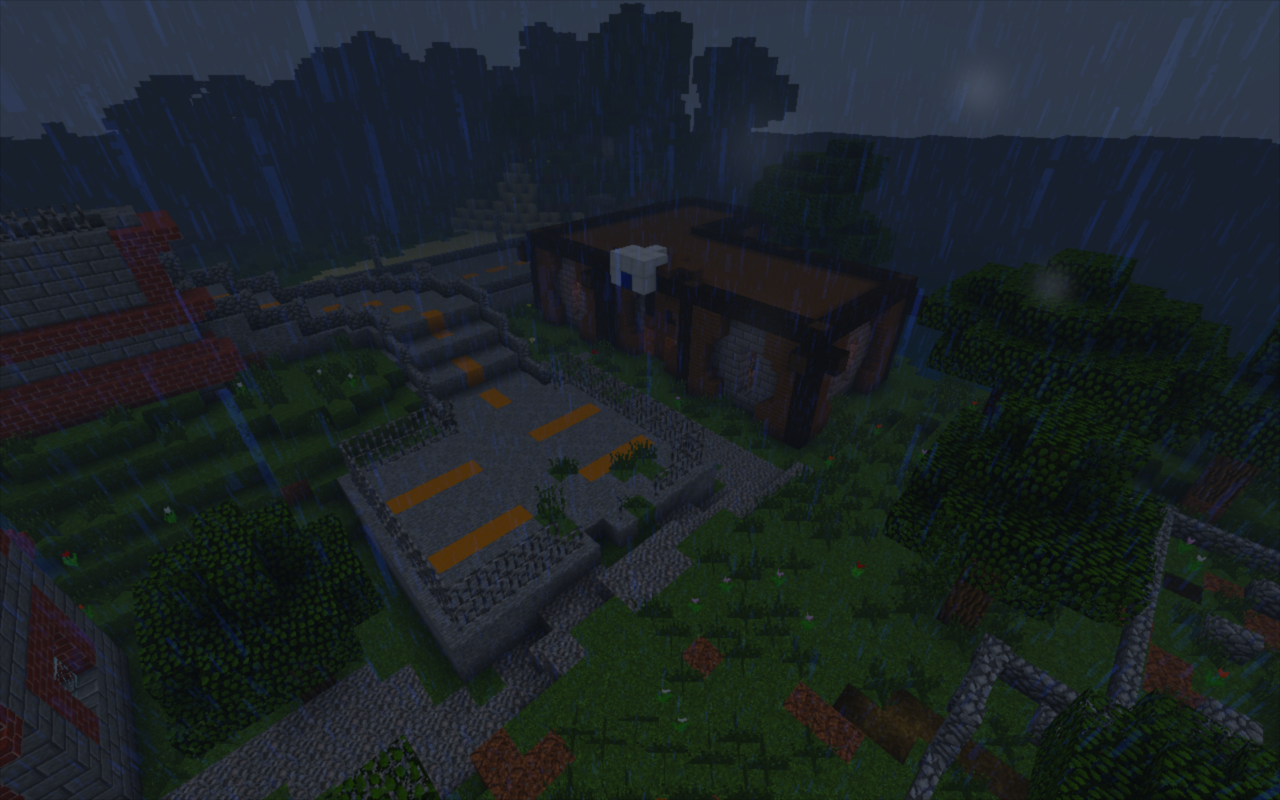
-Western School District
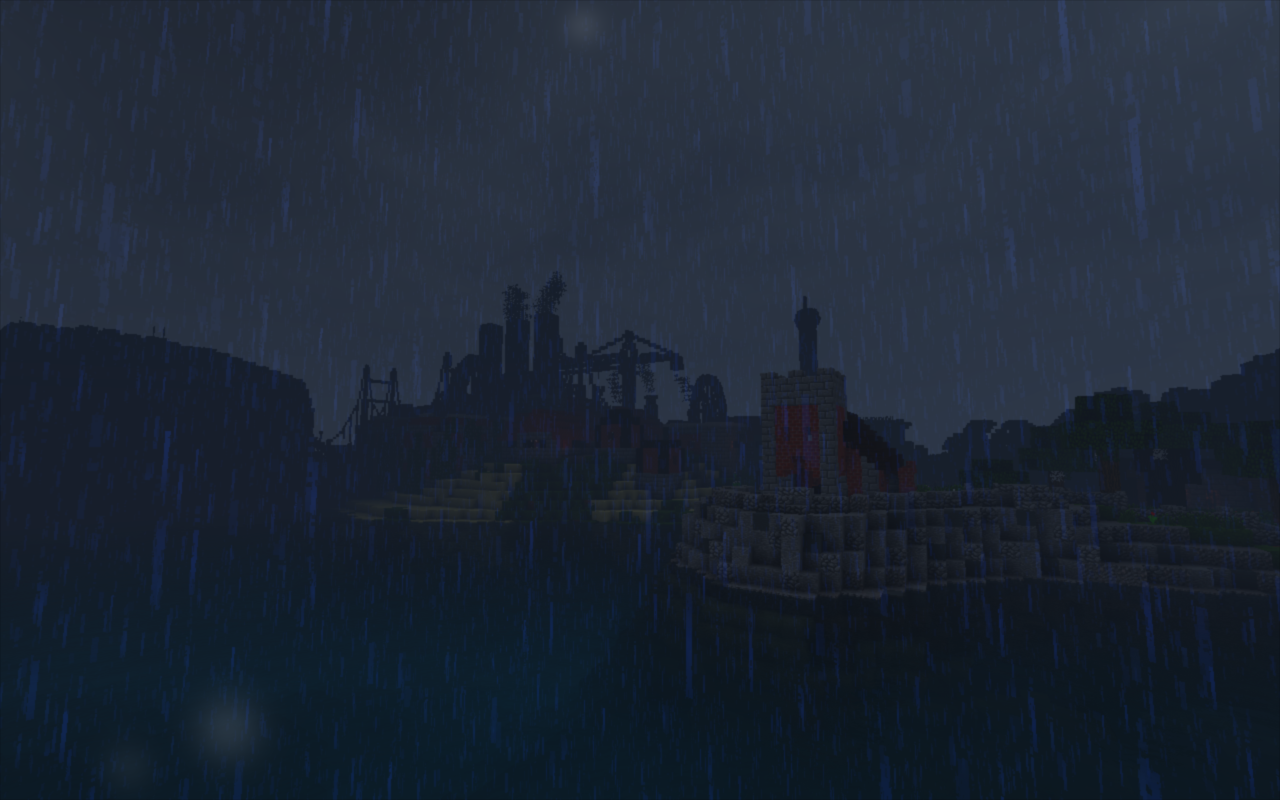
-Western Chapel
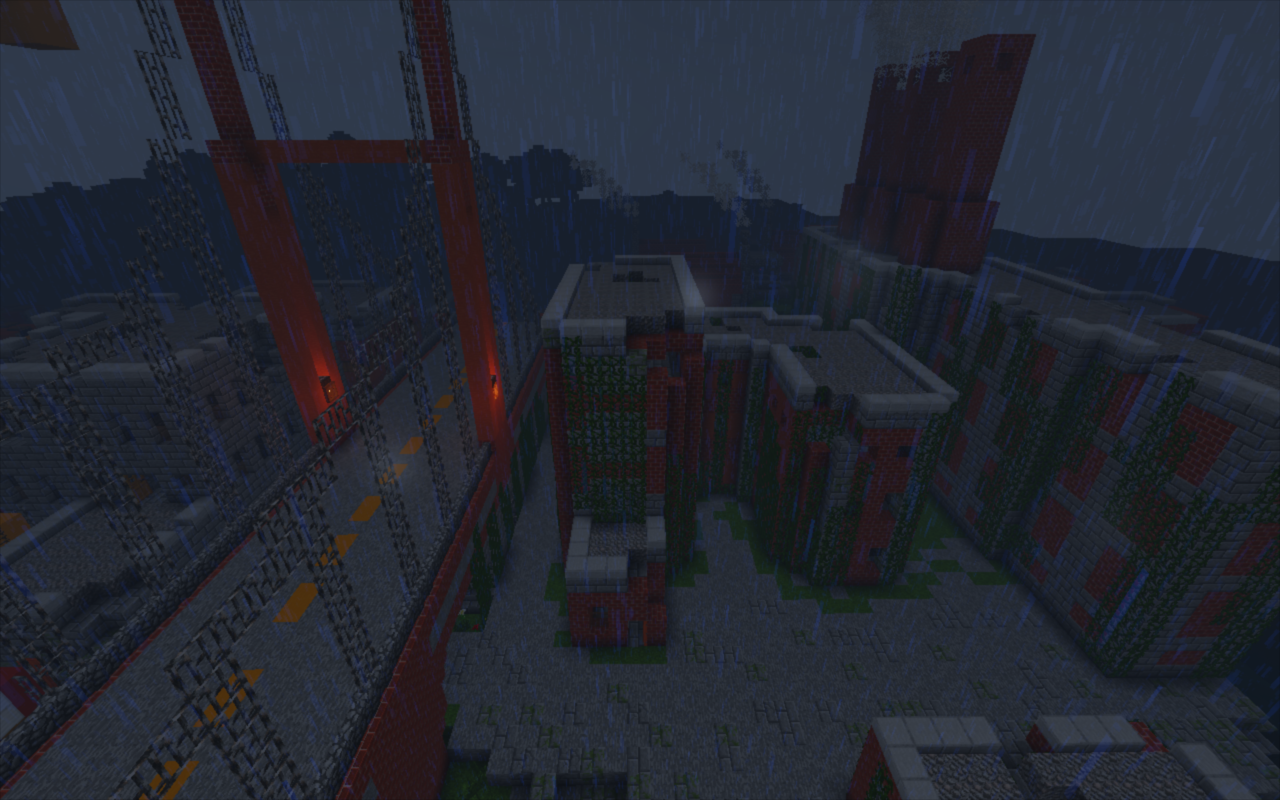
-Western SQUAD Capitol
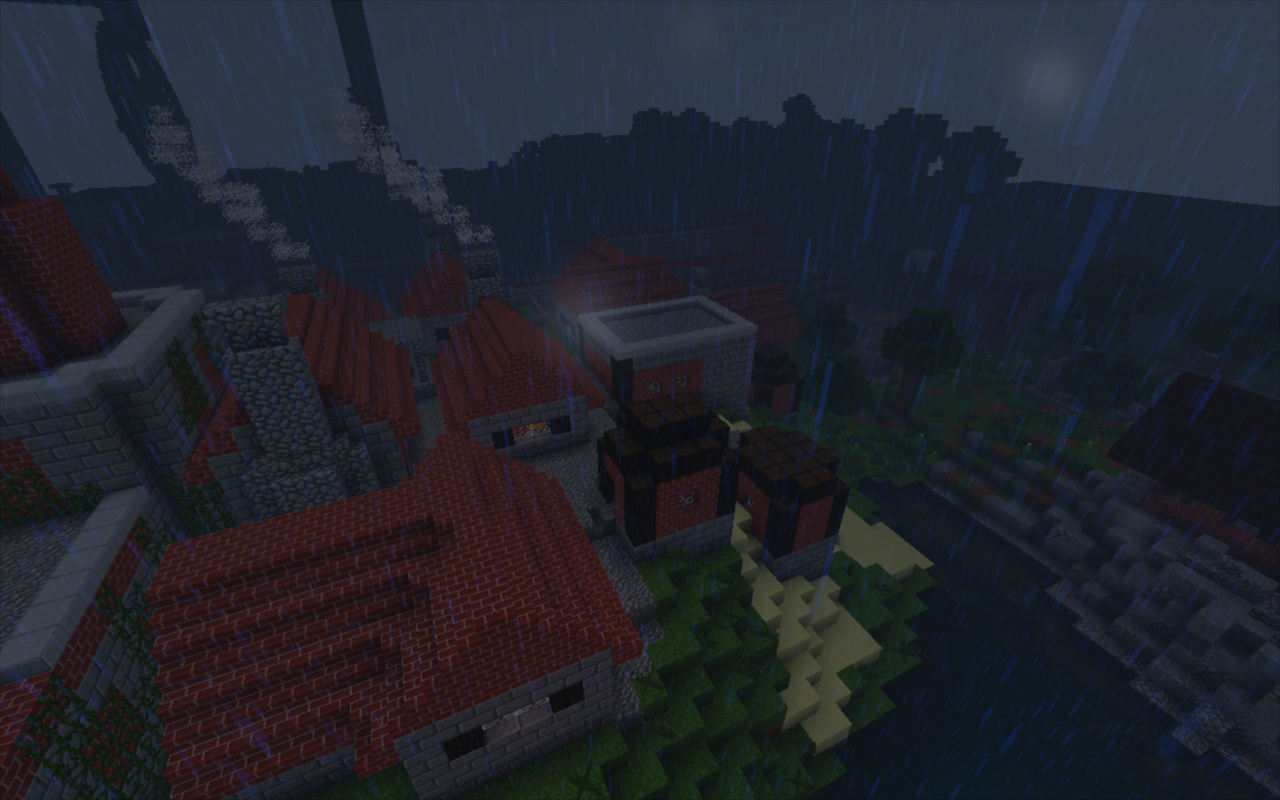
-Western SQUAD Colony
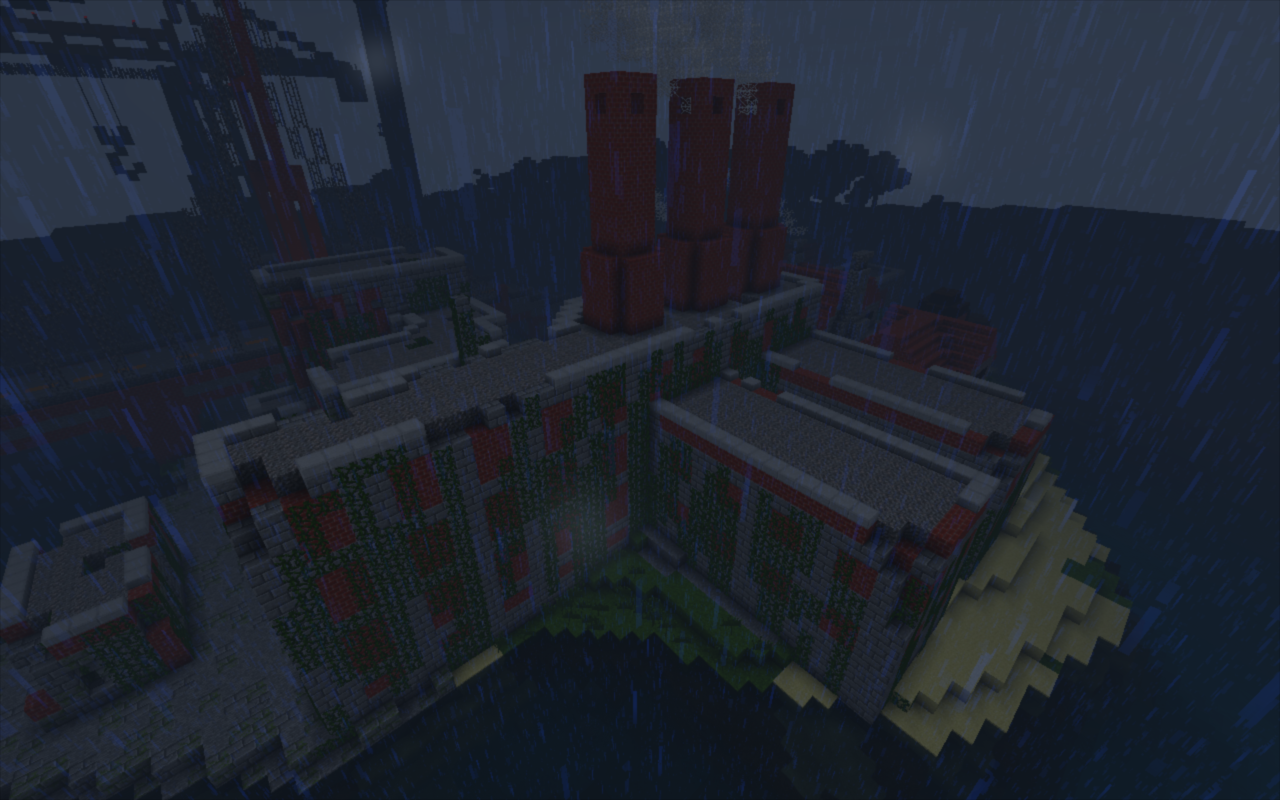
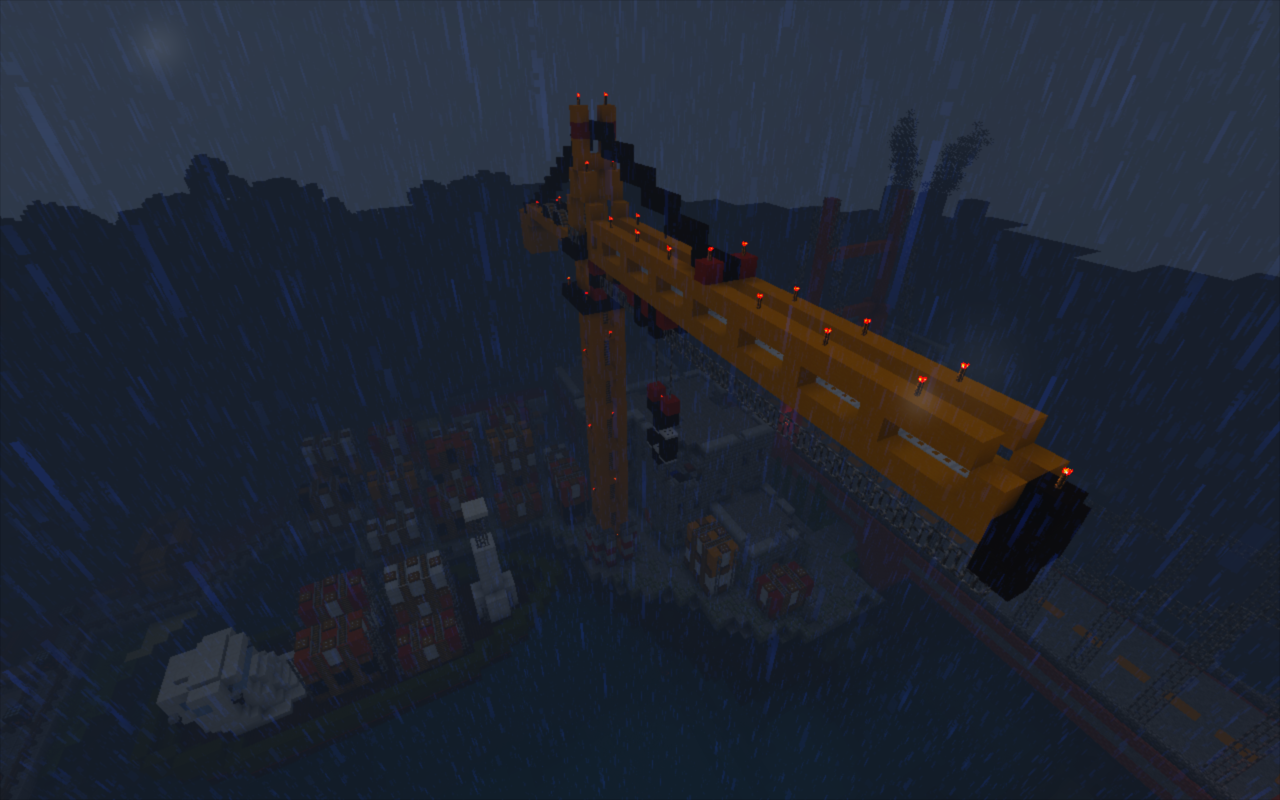
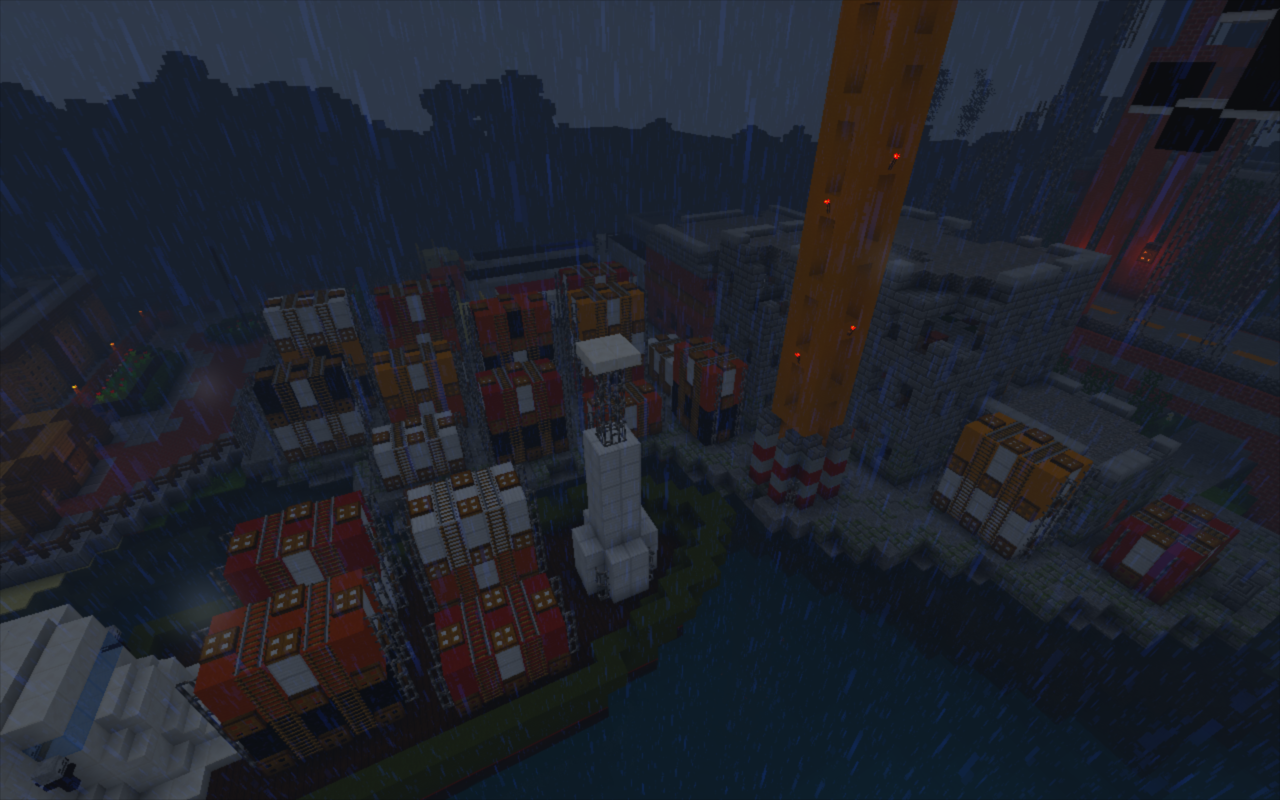
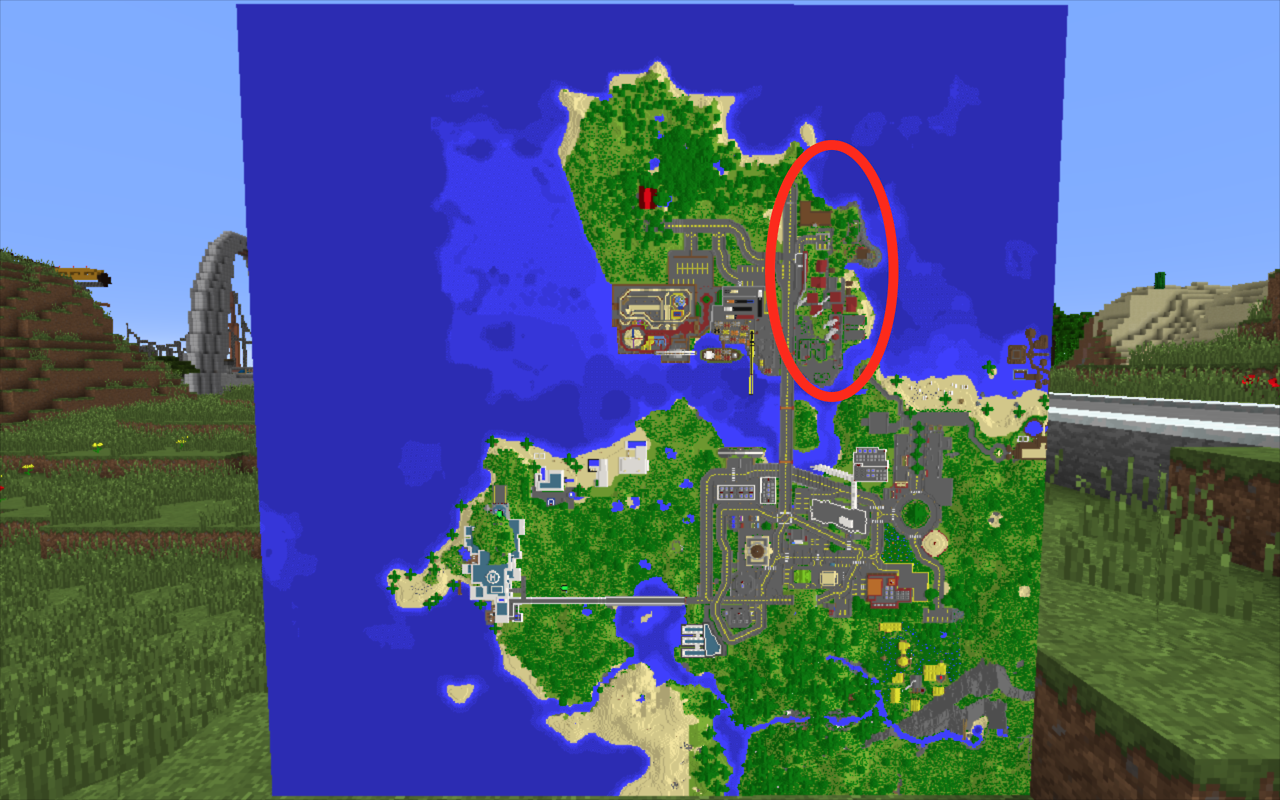
-Western School District
-Western Chapel
-Western SQUAD Capitol
-Western SQUAD Colony
-SQUAD Asylum
-Western School District
-Western Chapel
-Western SQUAD Capitol
-Western SQUAD Colony
LOAD MORE LOGS
More like this


 The worlds best roller coaster map in historyMinecart Map
 gryffindorbobby
•11/16/15 9:31
285 15x 11
gryffindorbobby
•11/16/15 9:31
285 15x 11
 Xopev
Xopev Zeus89725
 Officially_Bored
3847065
2





 Kletterstein
 Jypy2
Jypy2




 BlueDream710710

 EcoSMP
 CadofaCraft
 MegaMinerDL
Have something to say?
~JackBoy
I'm glad that you liked it!
Best of luck with your project! If you ever post it please comeback and tell me because i'd love to see it!
~JackBoy