




39
[Static] ...ch .. chr chr .. . . ... chr ... ch
Hello Listener.
You are playing archive file #4601 of the Main Archives of Alpolar: Logbook Entry #513, recorded on
19/7/2061 (Relative Stellar Date), recorded by Verena Casket, Manager
and Lead Scientist of Spectrum Station.
Today, after less than two years of exploration, our efforts have finally been made
worthwhile. We have discovered an extraterrestrial organism. Upon
taking a sample of the small, known exoplanet #973f and running the
routine scans, we chanced upon a colony of bacteria. Our biologist
and lead doctor, Adrian Howard, is examining the sample at this very
moment. We suspect that the species of bacteria feed purely on a gas,
which we identified as a Helium-Nitrogen compound. This discovery is
a huge advancement in our endeavour to find a planet which supports
human life. A more detailed report will be sent separately.
All is well aboard the station. We have both oxygen and water until the
next stellar shuttle delivery, as well as enough power in our
batteries to support the station for three months should the solar
panels fail. We also have a large stock of goods. Today we consumed a
wire coil, five rivets and a small sheet of titanium-iron for a
small repair of the telescope. The detailed consumption report will
be sent separately.
The team is working as smoothly as ever, and everyone is working effectively.
Our lead astronomer, Yuko Akanase also identified a new exoplanet, which orbits the star #791. She
gave it the tag #1007a. It has no atmosphere and is outside the habitable zone.
We also lost contact to Station Resilient
in the early hours of the day, yet technician Bernd Krüger was able
to establish temporary indirect contact via
the settlement of Alpolar. Spare parts for the antenna were ordered
via the order form.
End of Logbook Entry #513.
[Static] . . . ch crh ... ... ch ... chr . .
Information about Spectrum Station:
Module list:
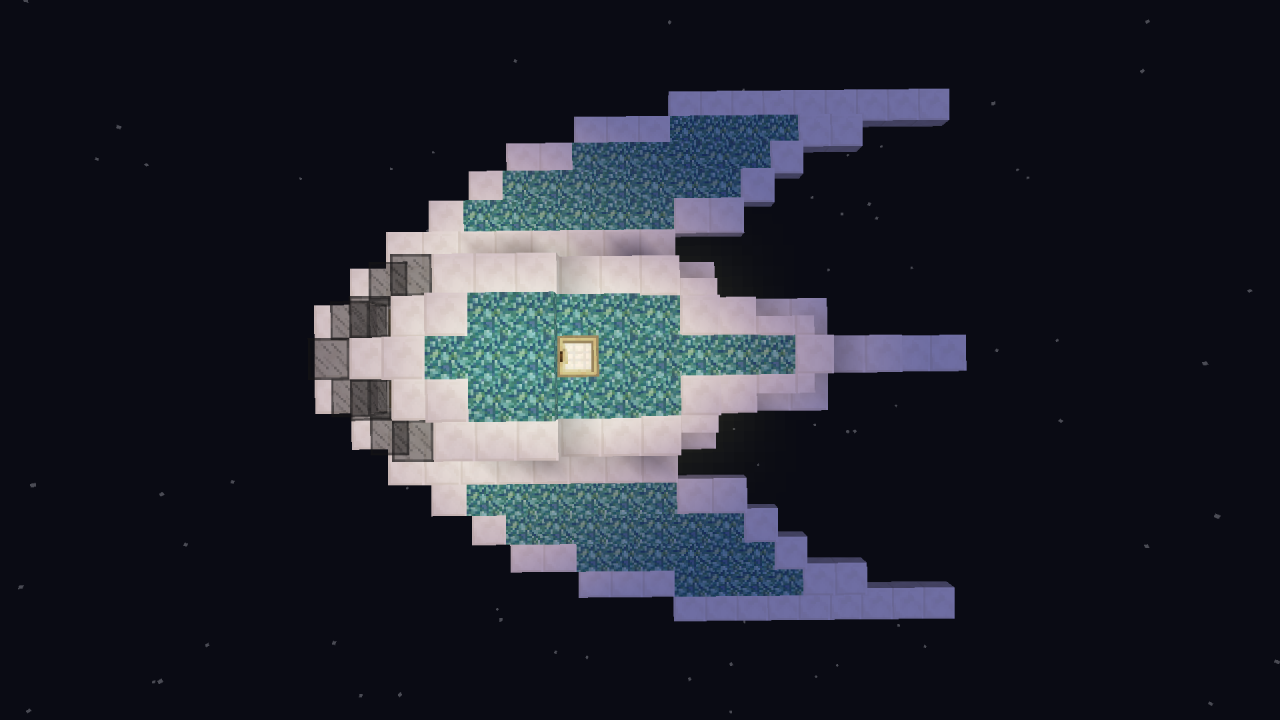
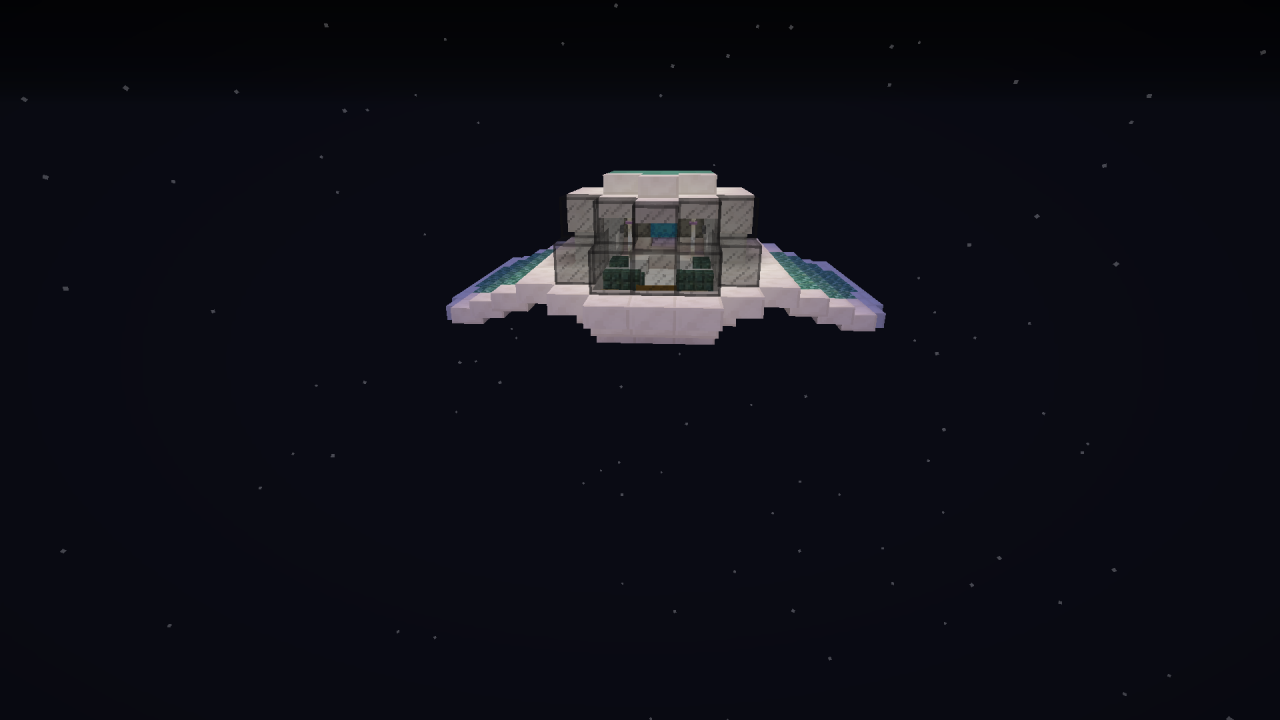
The Spectrum Station Project was launched shortly after the settlement of Alpolar was
founded. The Station is intended to explore space, map new stars and
exoplanets and run scans on the latter to determine whether or not it
was hospitable.
The name “Spectrum” Station was chosen because of the Station’s brightly coloured
modules. The coloured modules were invented by psychologist Mary
Flint, who believed that the colours would have a relaxing effect on
the station’s occupants. As living in a small space for a long time
can be extremely stressful for a person, the colouring of the modules
was a breakthrough.
This Spectrum Station is only the first in a planned series. Soon, mass-production of the modules will begin. The modules will always be the same, yet they can be assembled in a myriad of different ways, making each station unique.
Dormitory:
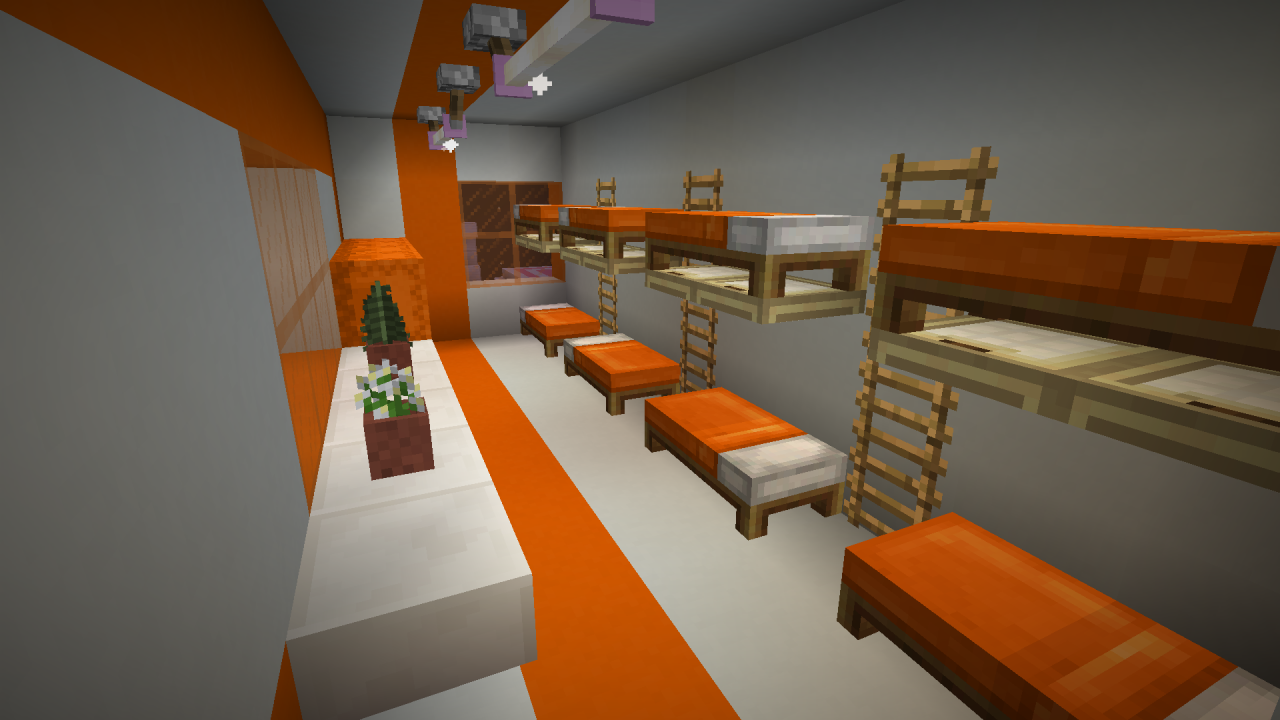
The dormitory is a large module divided into the male and female dormitories. There are
8 bunks in each section, enabling a total of 16 crew members to sleep
aboard the station. Furthermore, each crew member is entitled to a
personal storage unit which they may use to store items of their
choice.
Laboratory:
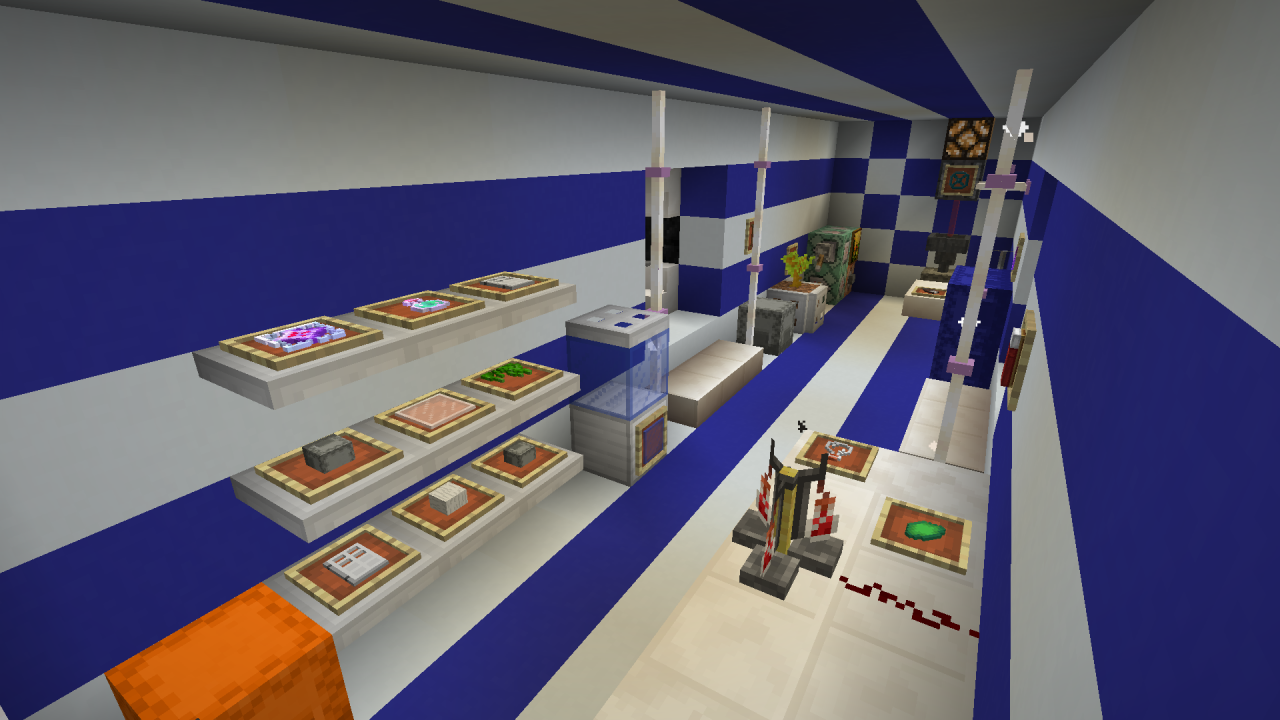
The laboratory is equipped with an electron microscope, an atomic fusion reactor, a
Bunsen burner, a computer console as well as a shelf and several
storage units.
Library:
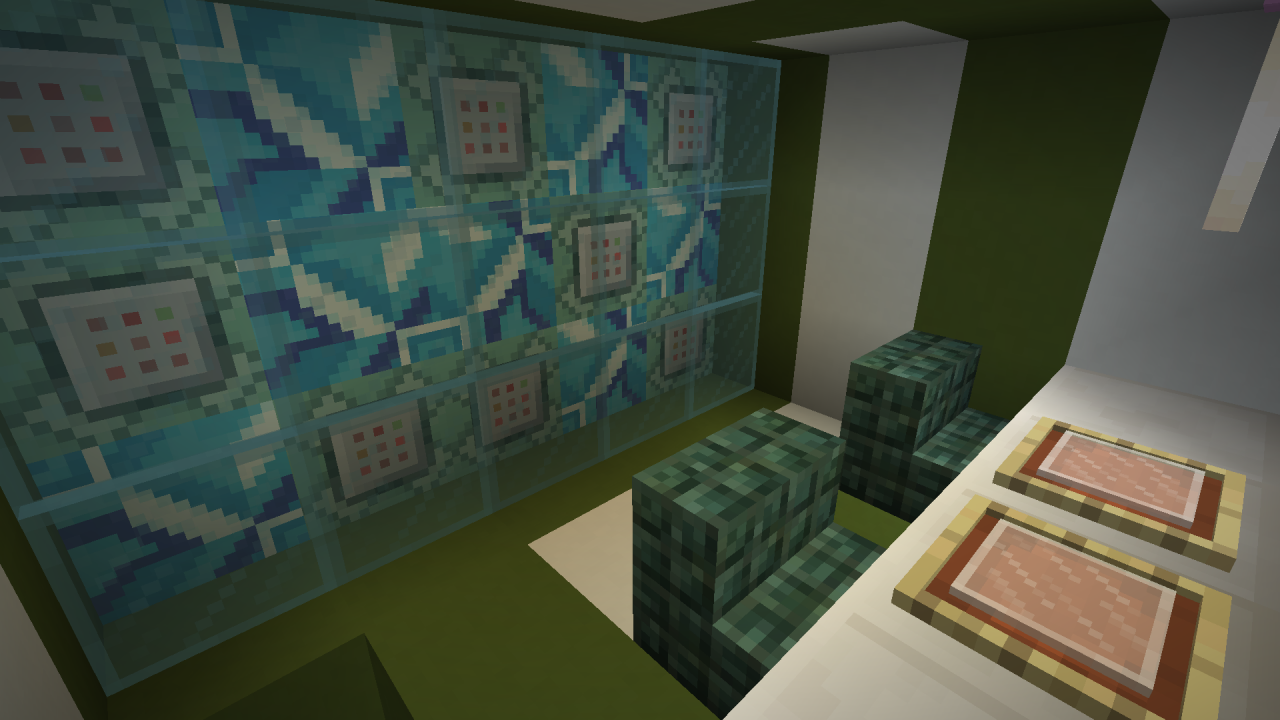
The library contains four rooms, two of which house the “Fiction” and the “Scientific”
sections. The other two rooms are for reading or writing and computer
usage.
Control Room:
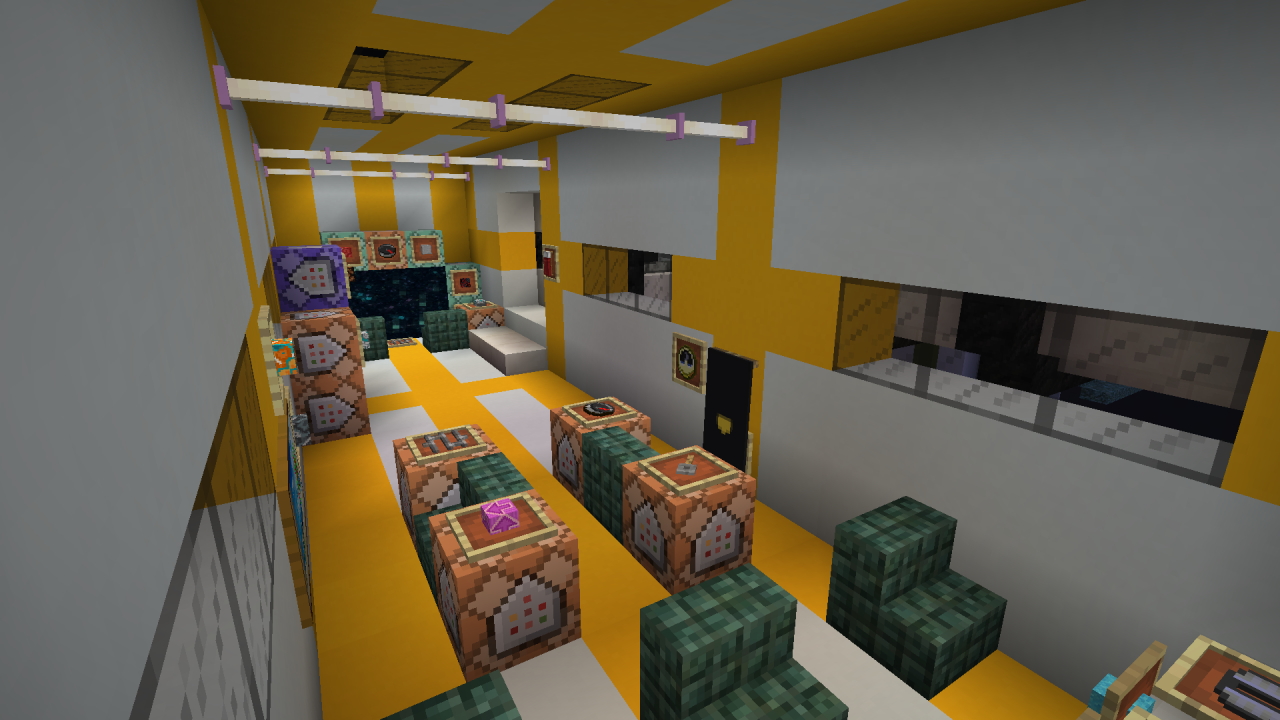
The control room houses the station’s computers and steering mechanisms. There are
readouts for pressure, water and electricity, as well as a
communications booth and several specialized computers. One steers
the Earth Probe, another the outside telescope.
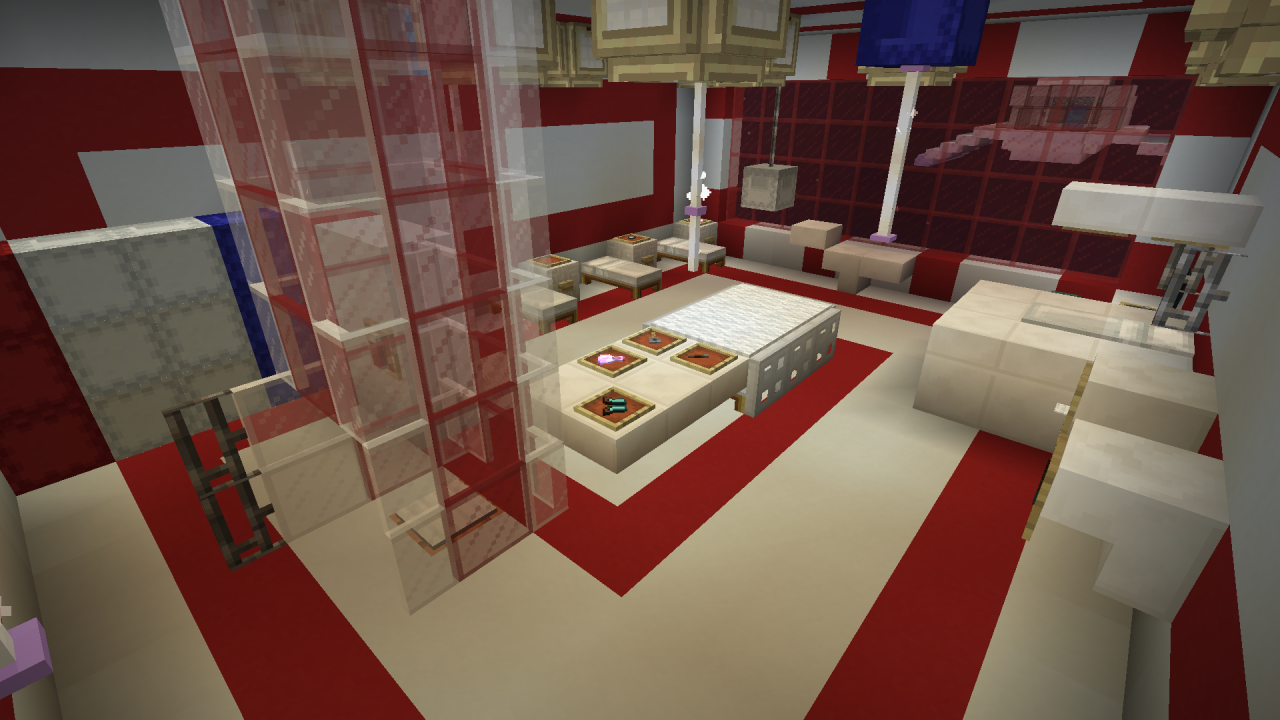
Infirmary:
In the infirmary there are four beds, a general health scanner, a surgery suit, a
dentist’s chair and a multitude of storage units for various
medications.
Kitchen & Mess Hall:
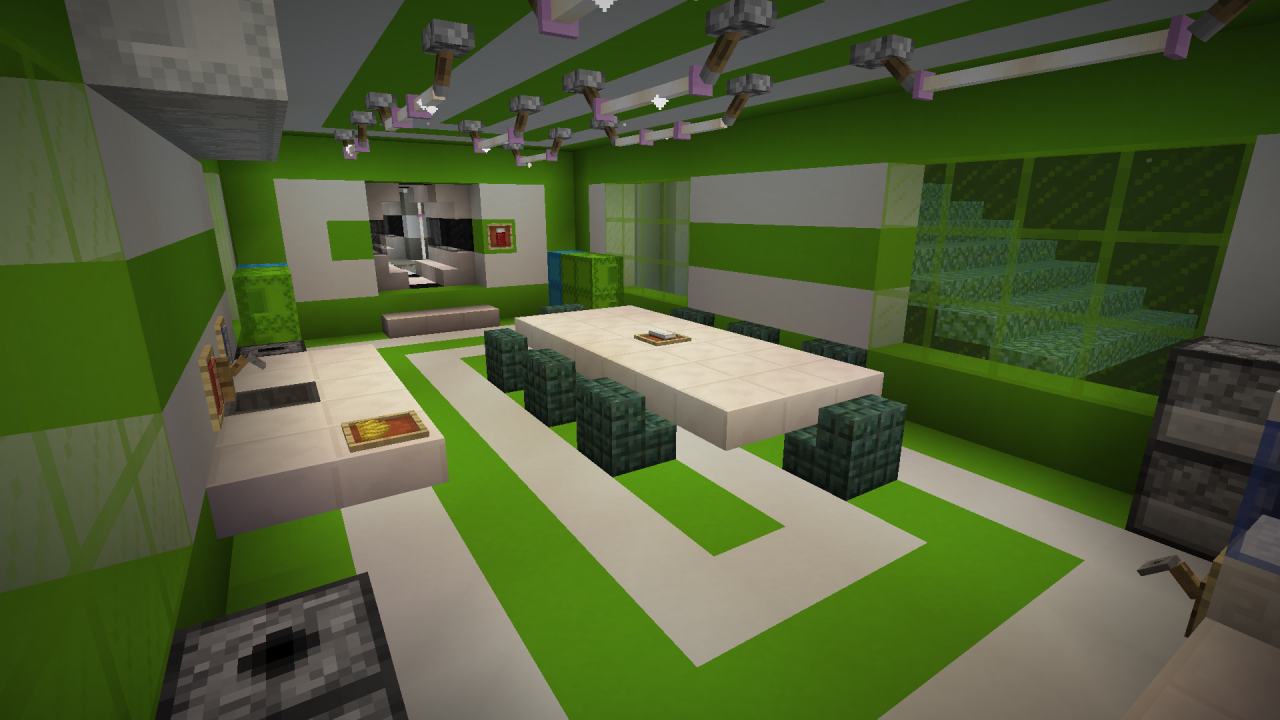
This module is equipped with a large table, seating eight people, a kitchen
workbench, a dishwasher, an oven, two cooking plates and an expansive
capacity of food storage.
Bathrooms:
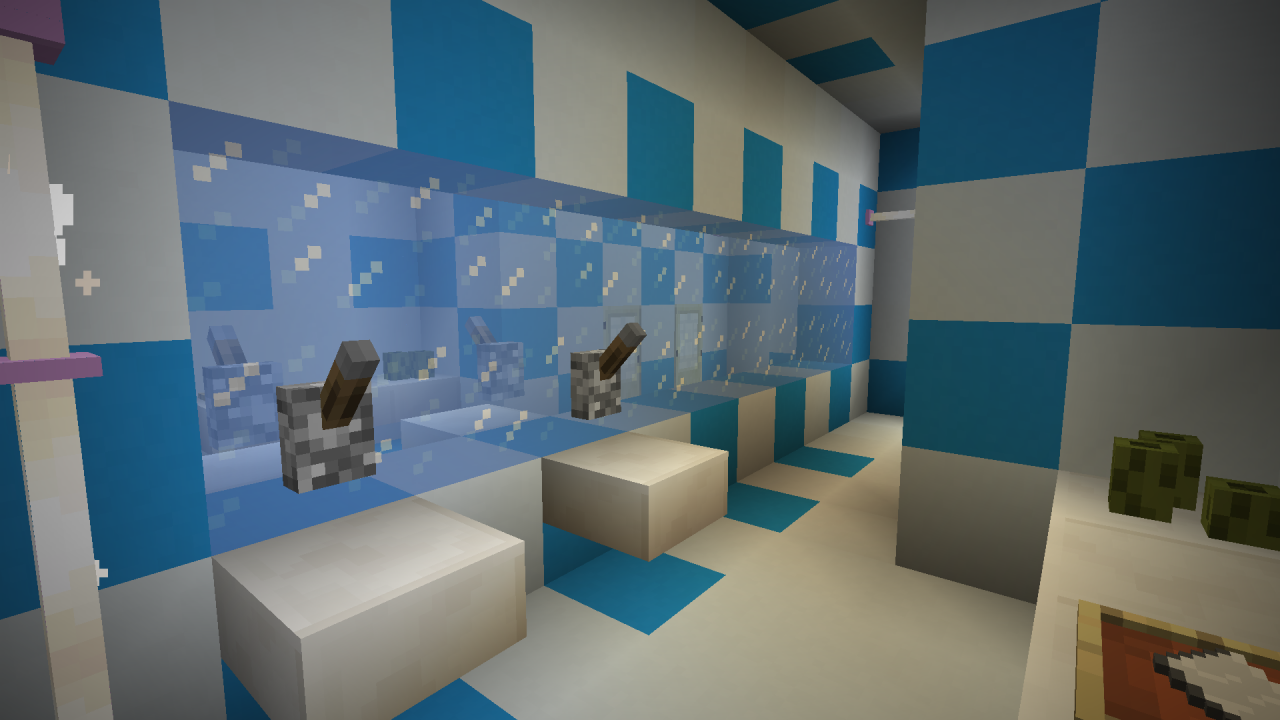
The bathrooms feature two toilets, two showers, four sinks and two storage units in
total, half being in the male bathroom, the other in the female.
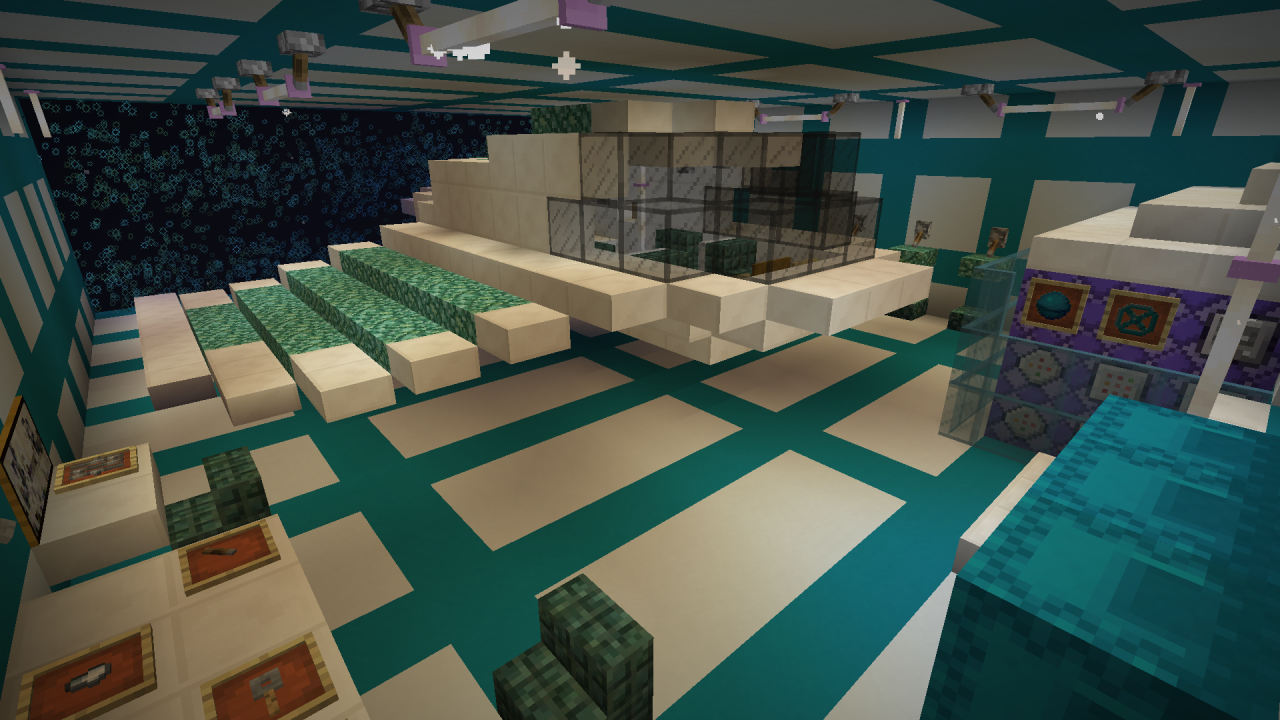
Cosmos Dock:
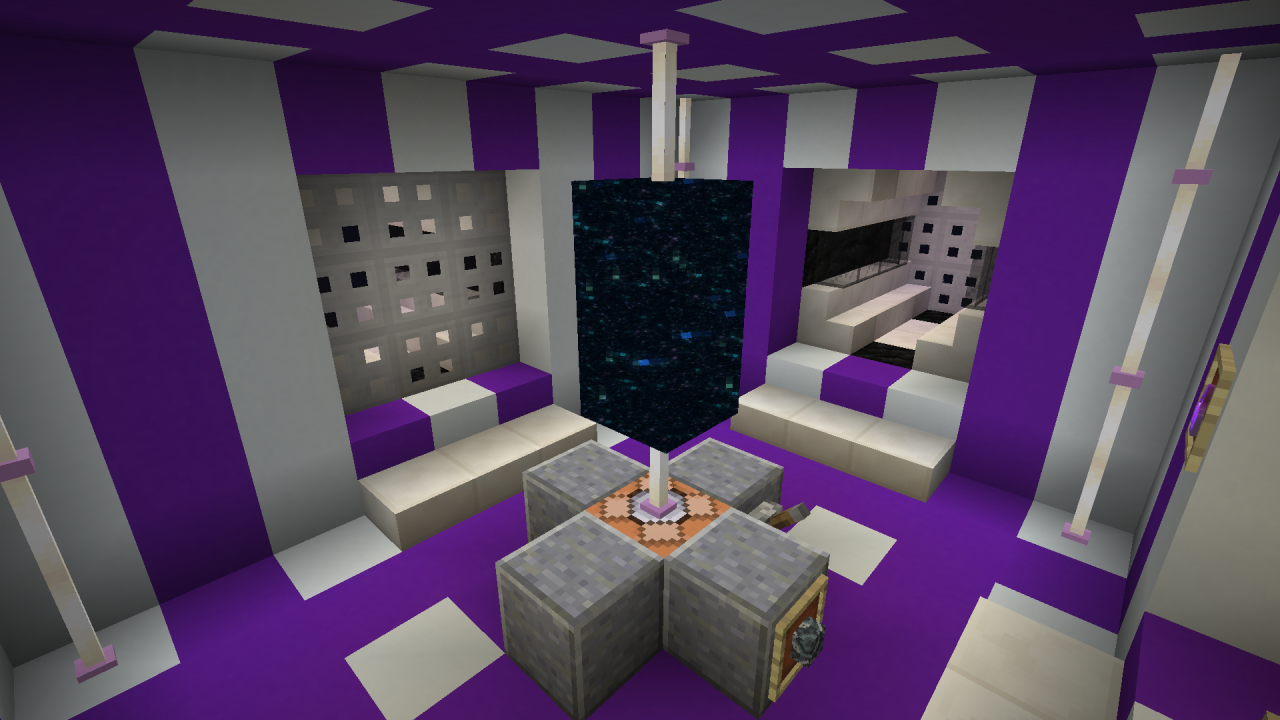
The cosmos dock is designed to house damaged spacecraft during their repair. This module
features a large window through which the spacecraft can fly in and
out. This window can be sealed with a forcefield. Furthermore, there
is a lot of storage space for all items needed to repair spacecraft.
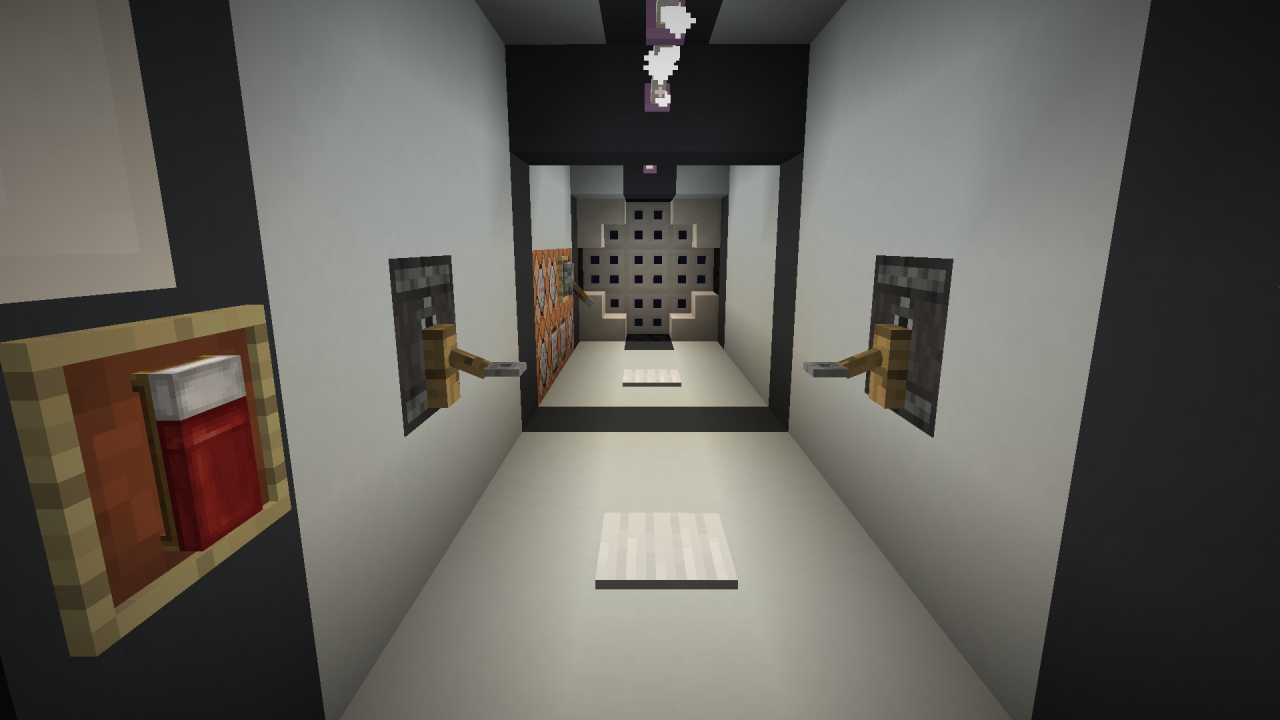
Docking Module:
The Docking Module is connected to docking tunnels. Spacecraft can dock onto these tunnels, and crew and goods can be transferred through. The room also features a stellar map.
Airlock:
The airlock is a small module which has with a cosmos suit equipper to help cosmonauts
get into their suit. The cosmos suits have a small, electric
propulsion system which can be used to get around in zero-gravity.
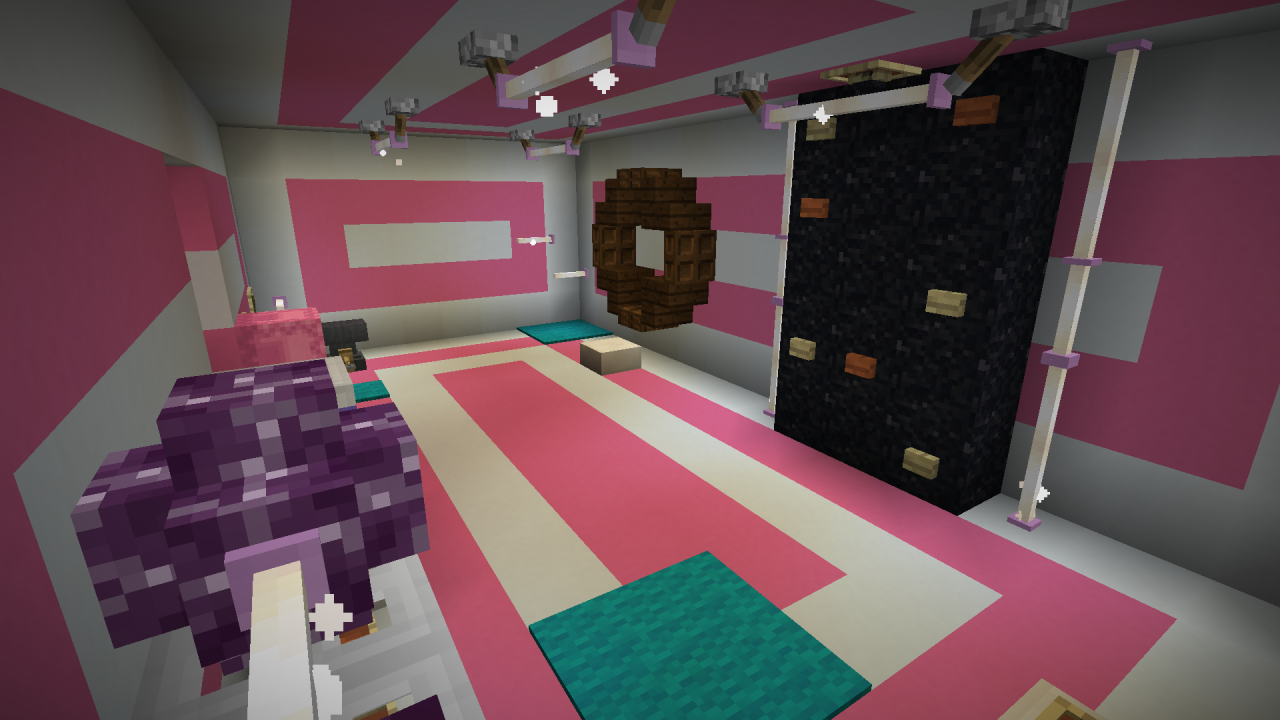
Fitness Room:
The fitness room is intended for recreation and to keep the human body fit. It features a
treadmill, an infinite climbing wall, an exercise bike, weights and yoga mats.
Storage Module:
The storage module contains two storage units for every other module of the station. Spare parts that are often required in specific modules are put in these storage units.
Telescope Dome:
The Telescope Dome houses the station's telescope. It constantly records pictures of it's surroundings, which can be viewed in the command room. The telescope is the main instrument of discovery and exploration of stars and exoplanets.
Positions on Spectrum Station:
Manager: Verena Casket
Co-Manager: Peter Danok
Lead Scientist: Verena Casket
Lead Astronomer: Yuko Akanase
Lead Technician: Alana Eskan
Lead Doctor: Adrian Howard
Lead Navigator & Mapper: Lisa Oltmar
Crew:
Female:
Notes:
Hello Listener.
You are playing archive file #4601 of the Main Archives of Alpolar: Logbook Entry #513, recorded on
19/7/2061 (Relative Stellar Date), recorded by Verena Casket, Manager
and Lead Scientist of Spectrum Station.
Today, after less than two years of exploration, our efforts have finally been made
worthwhile. We have discovered an extraterrestrial organism. Upon
taking a sample of the small, known exoplanet #973f and running the
routine scans, we chanced upon a colony of bacteria. Our biologist
and lead doctor, Adrian Howard, is examining the sample at this very
moment. We suspect that the species of bacteria feed purely on a gas,
which we identified as a Helium-Nitrogen compound. This discovery is
a huge advancement in our endeavour to find a planet which supports
human life. A more detailed report will be sent separately.
All is well aboard the station. We have both oxygen and water until the
next stellar shuttle delivery, as well as enough power in our
batteries to support the station for three months should the solar
panels fail. We also have a large stock of goods. Today we consumed a
wire coil, five rivets and a small sheet of titanium-iron for a
small repair of the telescope. The detailed consumption report will
be sent separately.
The team is working as smoothly as ever, and everyone is working effectively.
Our lead astronomer, Yuko Akanase also identified a new exoplanet, which orbits the star #791. She
gave it the tag #1007a. It has no atmosphere and is outside the habitable zone.
We also lost contact to Station Resilient
in the early hours of the day, yet technician Bernd Krüger was able
to establish temporary indirect contact via
the settlement of Alpolar. Spare parts for the antenna were ordered
via the order form.
End of Logbook Entry #513.
[Static] . . . ch crh ... ... ch ... chr . .
Information about Spectrum Station:
Module list:
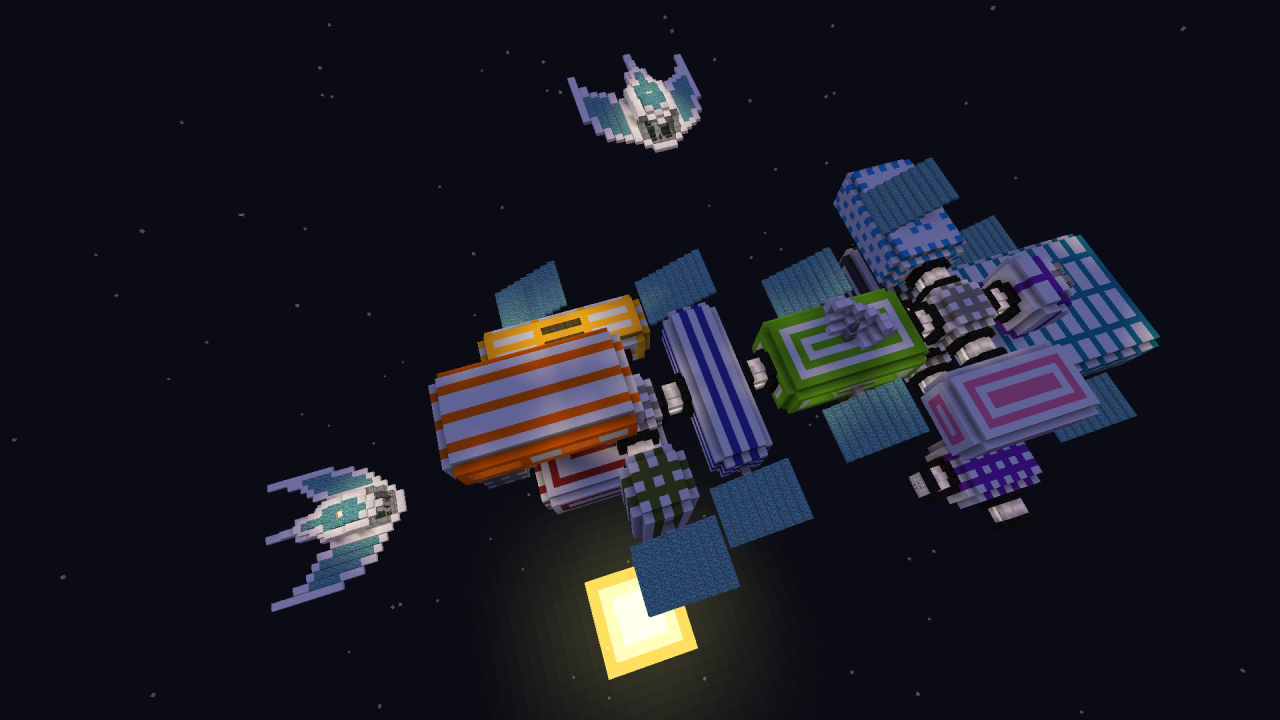
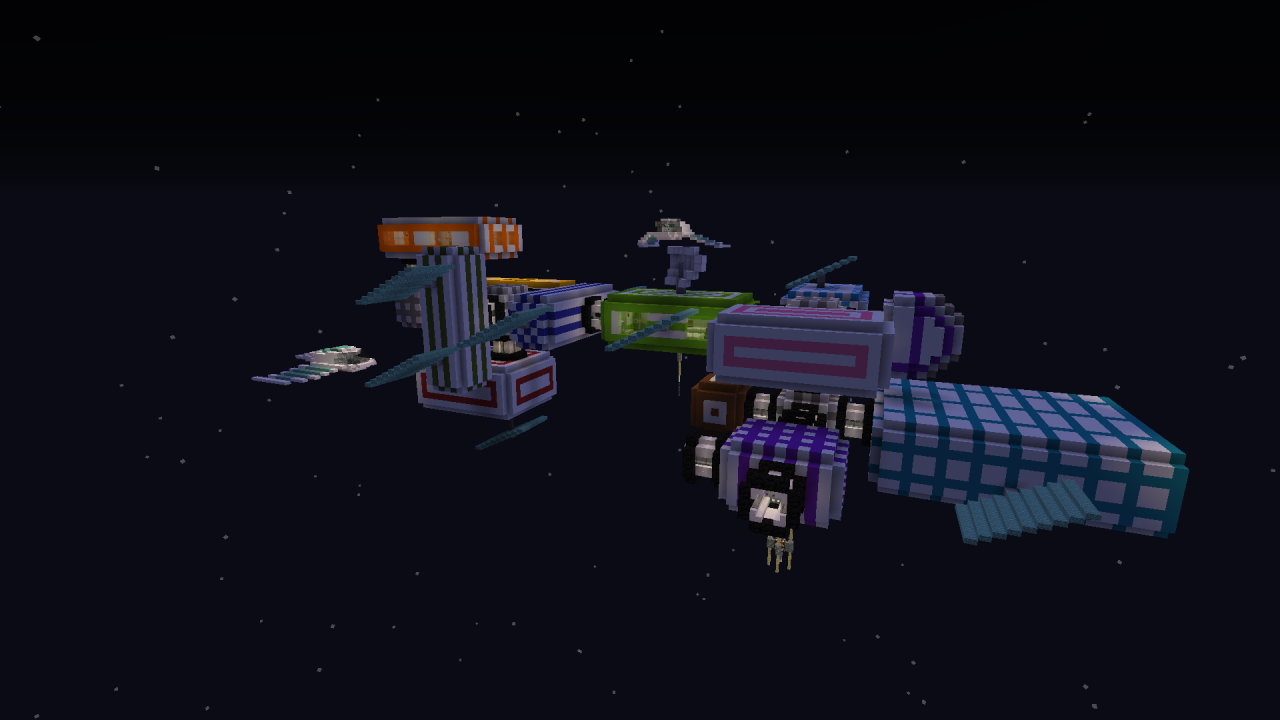
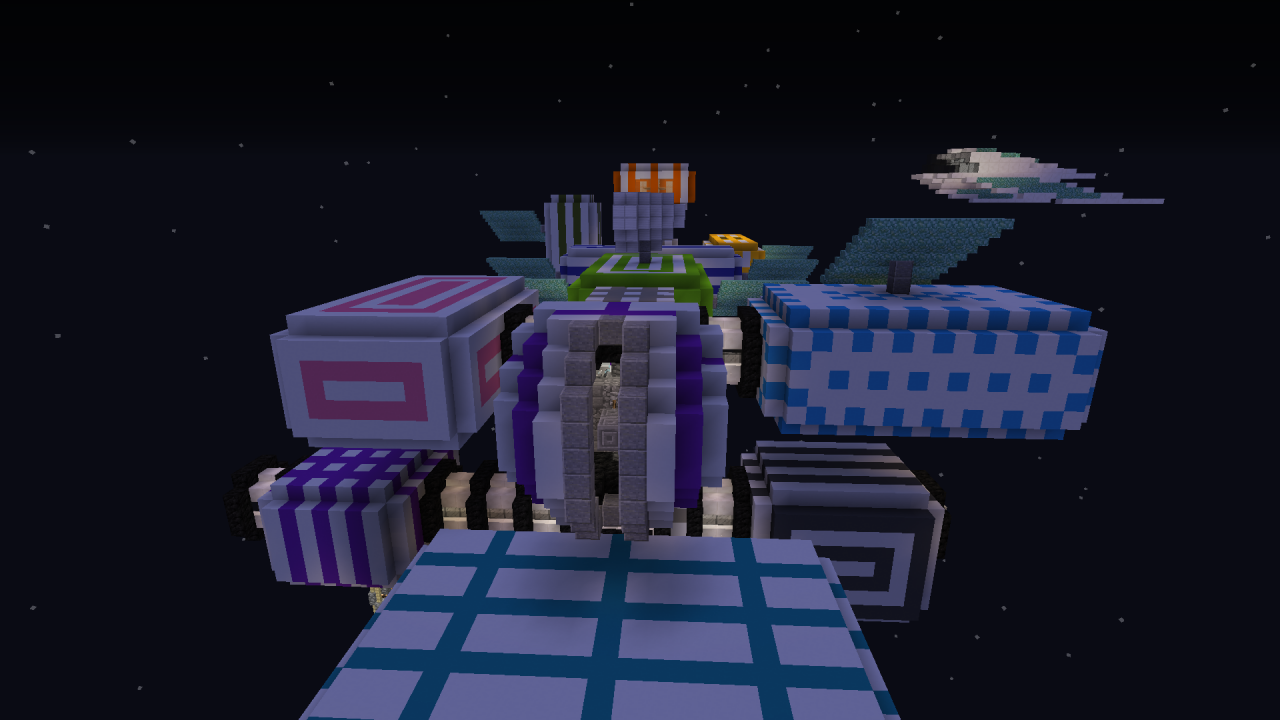
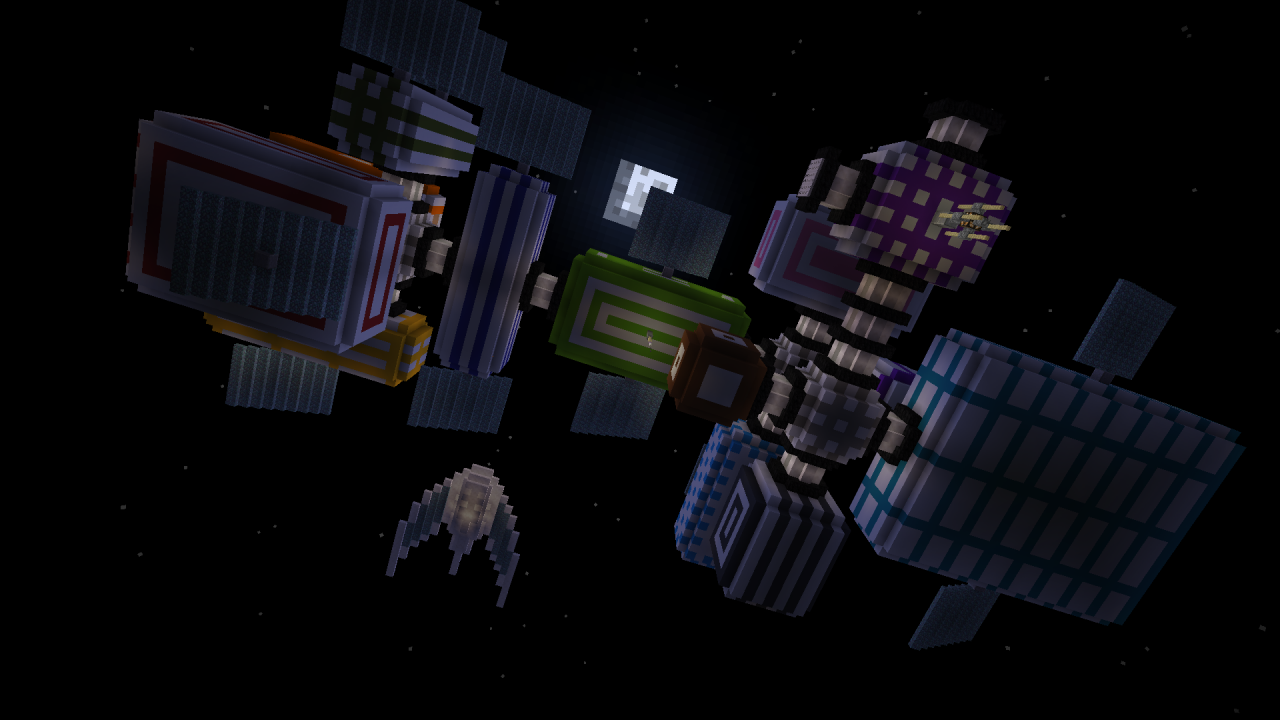
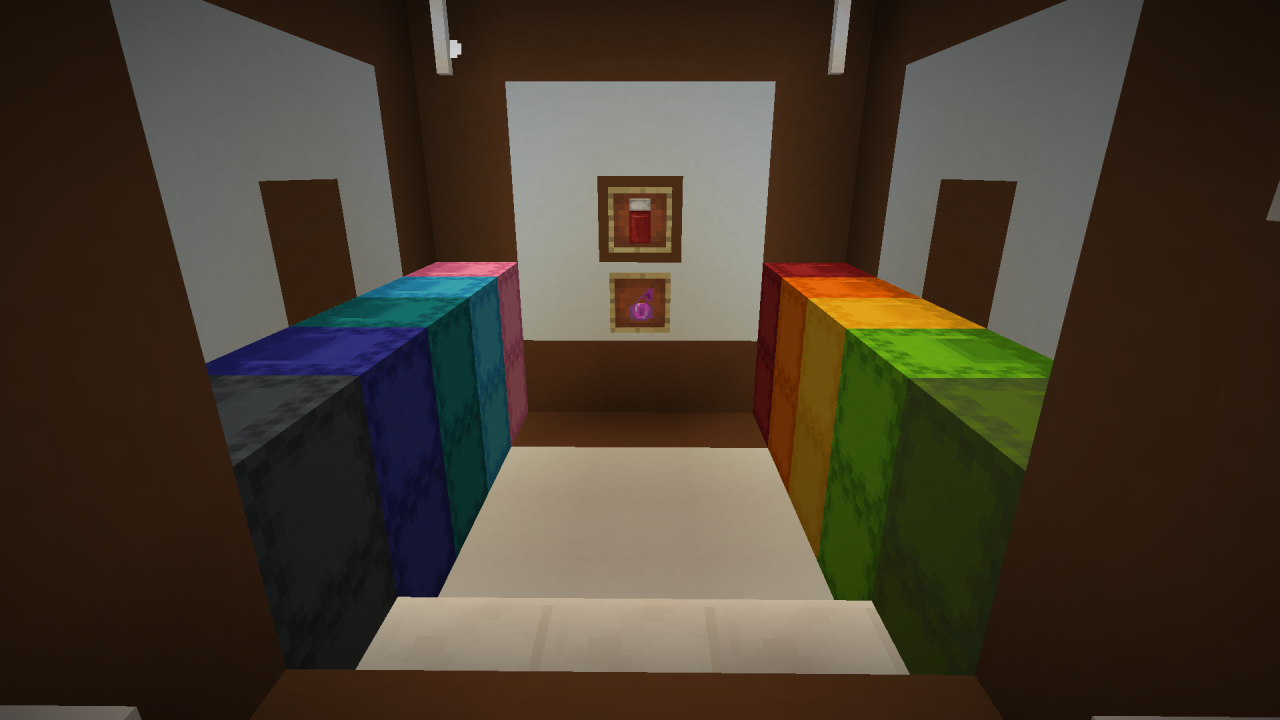
- Dormitory – Orange
- Laboratory – Dark Blue
- Library – Dark Green
- Control Room – Yellow
- Infirmary – Red
- Kitchen & Mess Hall – Light Green
- Bathrooms – Light Blue
- Cosmos Dock – Cyan
- Docking Module – Purple
- Airlock – Dark Grey
- Fitness Room – Pink
- Storage Module – Brown
- Telescope Dome – Purple
The Spectrum Station Project was launched shortly after the settlement of Alpolar was
founded. The Station is intended to explore space, map new stars and
exoplanets and run scans on the latter to determine whether or not it
was hospitable.
The name “Spectrum” Station was chosen because of the Station’s brightly coloured
modules. The coloured modules were invented by psychologist Mary
Flint, who believed that the colours would have a relaxing effect on
the station’s occupants. As living in a small space for a long time
can be extremely stressful for a person, the colouring of the modules
was a breakthrough.
This Spectrum Station is only the first in a planned series. Soon, mass-production of the modules will begin. The modules will always be the same, yet they can be assembled in a myriad of different ways, making each station unique.
Dormitory:
The dormitory is a large module divided into the male and female dormitories. There are
8 bunks in each section, enabling a total of 16 crew members to sleep
aboard the station. Furthermore, each crew member is entitled to a
personal storage unit which they may use to store items of their
choice.
Laboratory:
The laboratory is equipped with an electron microscope, an atomic fusion reactor, a
Bunsen burner, a computer console as well as a shelf and several
storage units.
Library:
The library contains four rooms, two of which house the “Fiction” and the “Scientific”
sections. The other two rooms are for reading or writing and computer
usage.
Control Room:
The control room houses the station’s computers and steering mechanisms. There are
readouts for pressure, water and electricity, as well as a
communications booth and several specialized computers. One steers
the Earth Probe, another the outside telescope.
Infirmary:
In the infirmary there are four beds, a general health scanner, a surgery suit, a
dentist’s chair and a multitude of storage units for various
medications.
Kitchen & Mess Hall:
This module is equipped with a large table, seating eight people, a kitchen
workbench, a dishwasher, an oven, two cooking plates and an expansive
capacity of food storage.
Bathrooms:
The bathrooms feature two toilets, two showers, four sinks and two storage units in
total, half being in the male bathroom, the other in the female.
Cosmos Dock:
The cosmos dock is designed to house damaged spacecraft during their repair. This module
features a large window through which the spacecraft can fly in and
out. This window can be sealed with a forcefield. Furthermore, there
is a lot of storage space for all items needed to repair spacecraft.
Docking Module:
The Docking Module is connected to docking tunnels. Spacecraft can dock onto these tunnels, and crew and goods can be transferred through. The room also features a stellar map.
Airlock:
The airlock is a small module which has with a cosmos suit equipper to help cosmonauts
get into their suit. The cosmos suits have a small, electric
propulsion system which can be used to get around in zero-gravity.
Fitness Room:
The fitness room is intended for recreation and to keep the human body fit. It features a
treadmill, an infinite climbing wall, an exercise bike, weights and yoga mats.
Storage Module:
The storage module contains two storage units for every other module of the station. Spare parts that are often required in specific modules are put in these storage units.
Telescope Dome:
The Telescope Dome houses the station's telescope. It constantly records pictures of it's surroundings, which can be viewed in the command room. The telescope is the main instrument of discovery and exploration of stars and exoplanets.
Positions on Spectrum Station:
Manager: Verena Casket
Co-Manager: Peter Danok
Lead Scientist: Verena Casket
Scientists:
Adrian Howard, Minerva Pontal, Yuko Akanase, Bernd Krüger, George Mallan, Tian Huang
Lead Astronomer: Yuko Akanase
Astronomers:
Mina Leran, Astrid Okaren, Kathrine Jarren, Marlene Smith, Mike
Kaln, Lars Sartel
Kaln, Lars Sartel
Lead Technician: Alana Eskan
Technicians:
Bernd Krüger, Mina Leran, Minerva Pontal, Jacob Baker, George Mallan
Lead Doctor: Adrian Howard
Doctors:
Minerva Pontal, Kathrine Jarren, Lisa Oltmar, Peter Danok, George Mallan, Lars Sartel
Lead Navigator & Mapper: Lisa Oltmar
Navigators & Mappers:
Astrid Okaren, Marlene Smith, Jacob Baker, Tian Huang, Mike Kaln
Crew:
Female:
- Verena Casket
- Yuko Akanase
- Minerva Pontal
- Mina Leran
- Astrid Okaren
- Kathrine Jarren
- Lisa Oltmar
- Marlene Smith
- Peter Danok
- Adrian Howard
- Bernd Krüger
- Jacob Baker
- George Mallan
- Tian Huang
- Mike Kaln
- Lars Sartel
Notes:
- I built all of this by hand, without building aides.
- If you wish to use this map publicly in any way, please ask for my permission first.
- The Airlock does not function in multiplayer mode.
- Have fun with the map!
5 Update Logs
Update #5 : by Kwanatla 08/25/2019 2:30:33 pmAugust 25, 2019 @ 6:30 pm UTC
FINISHED! I swapped the locations of the Kitchen & Mess Hall and the Dormitory to make it more realistic. Also added a Docking Module. Not to be confused with the Cosmos Dock. The Cosmos Dock is where spacecraft fly into the module to be repaired, while the docking module is just a room to which the docking tunnels lead. Spacecraft can dock onto these tunnels. Added the download!
LOAD MORE LOGS
More like this

 avmf8
avmf8
 estplayer
 Theultpriest
 Feco2004
 themurrey
4314332
2



 itz_order




 Red_Master010101010101



 GARRETT2BY4

 Dr_Syntax
![[UPDATED] OG Ninjago Destiny's Bounty (Java Download + 2D guides for Bedrock) Minecraft Map & Project](https://static.planetminecraft.com/files/image/minecraft/project/2026/637/20161842-image_s.jpg)
 Benjimin_MC
 mate932
Have something to say?
I've been slowly working on an entry for this contest as well (it's definitely nothing amazing, but it's been fun to try) and have a bit of story behind it but nothing as interesting as this. Best wishes with your entry, and again I do look forward to the download.