


• 6/27/26 11:27 am
- 255 views • 6 today
- save_alt 20 downloads
- Progress
- 30% complete

1
67!!!!! :D omg sorry guys it won't let me post without 150 words lol.
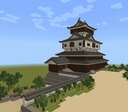
この城は夜に映えるよ
Btw this castle will look even better at night
Alliteration is a literary device where the initial consonant sounds of words are repeated in close proximity, not necessarily the letters themselves. For example, “Peter Piper picked a peck of pickled peppers” repeats the /p/ sound, making the phrase catchy and rhythmic. Words can alliterate even if separated by other words, as long as the repeated sound is noticeable. It primarily focuses on consonant sounds, while vowel repetition is considered a different device called assonance. Alliteration can also involve consonant clusters, such as sp-, st-, or sk-, which can alliterate with single consonants like s- (e.g., “spinning sun”)
Writers use alliteration to:
The term “alliteration” comes from the Latin word littera, meaning “letter of the alphabet,” and was first used in the 15th century. Historically, it was prominent in Old English, Middle English, and Old Norse poetry, and continues to be used in modern literature and music lyrics worldwide.
この城は夜に映えるよ
Btw this castle will look even better at night
Alliteration is the repetition of the same consonant sound at the beginning of closely connected words, creating rhythm, emphasis, and memorable effects in writing and speech.
Definition and Key Features
Alliteration is a literary device where the initial consonant sounds of words are repeated in close proximity, not necessarily the letters themselves. For example, “Peter Piper picked a peck of pickled peppers” repeats the /p/ sound, making the phrase catchy and rhythmic. Words can alliterate even if separated by other words, as long as the repeated sound is noticeable. It primarily focuses on consonant sounds, while vowel repetition is considered a different device called assonance. Alliteration can also involve consonant clusters, such as sp-, st-, or sk-, which can alliterate with single consonants like s- (e.g., “spinning sun”)
Purpose and Usage
Writers use alliteration to:
- Enhance rhythm and musicality in poetry and prose
- Draw attention to specific words or phrases
- Create memorable imagery or emphasize ideas
- Add stylistic flair in marketing, brand names, and slogans (e.g., “Coca-Cola,” “Dunkin’ Donuts”)
Alliteration is versatile and appears in poetry, prose, advertising, tongue twisters, and even everyday speech. It can also be classified into types such as plosive (p, b), fricative (f, v), sibilant (s, sh), and guttural sounds, each producing different auditory effects
Historical and Cultural Context
The term “alliteration” comes from the Latin word littera, meaning “letter of the alphabet,” and was first used in the 15th century. Historically, it was prominent in Old English, Middle English, and Old Norse poetry, and continues to be used in modern literature and music lyrics worldwide.
Examples
- Classic tongue twister: “She sells seashells by the seashore”
- Poetic example: “The furrow followed free” (The Rime of the Ancient Mariner by Samuel Taylor Coleridge)
- Everyday usage: Brand names like “Tik-Tok” or “Coca-Cola”
Alliteration is a sound-based device, emphasizing repeated consonant sounds to create rhythm, cohesion, and memorability in language.
More like this
![My try to build a japanese castle [inspired by Hiroshima castle] Download included Minecraft Map & Project](https://static.planetminecraft.com/files/image/minecraft/project/2021/660/13833113_s.jpg) My try to build a japanese castle [inspired by Hiroshima castle] Download includedLand Structure Map
My try to build a japanese castle [inspired by Hiroshima castle] Download includedLand Structure Map Arion_Grey
2/4/21 7:17
• posted 1/10/21 1:26
6.8k 608 3x 31614
Arion_Grey
2/4/21 7:17
• posted 1/10/21 1:26
6.8k 608 3x 31614


 sean_japan
 Tokeda71
6971589
2







 kencorreia
 _barrettt_

 Nttoby
![[1.20.x] 1 Wall Street (NYC) Minecraft Map & Project](https://static.planetminecraft.com/files/image/minecraft/project/2026/999/20073491-wallst_s.jpg)
 James_Howell
Have something to say?